
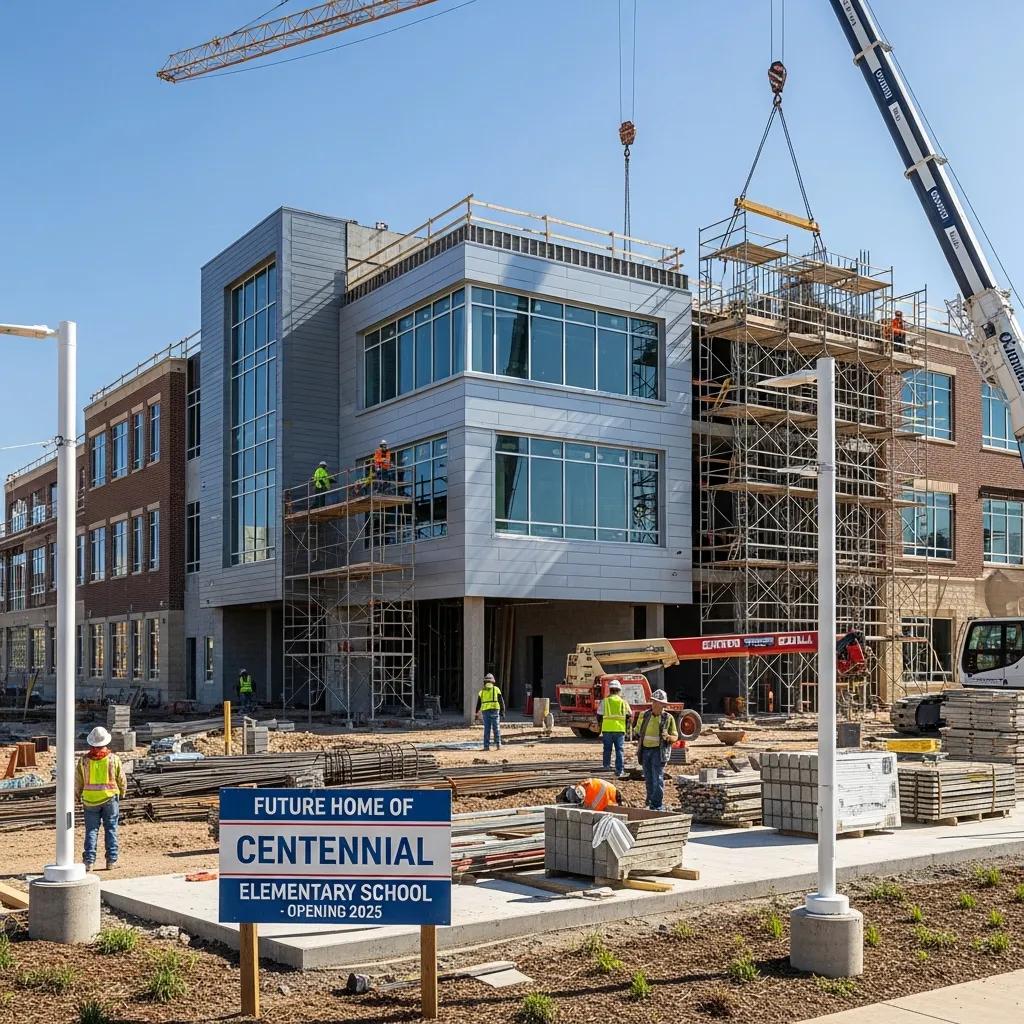
Institutional Construction in Oklahoma City — Schools, Hospitals & Public Facilities Built for Community
Building schools, hospitals, and civic facilities shapes the daily life of our neighborhoods. This piece breaks down what institutional construction looks like in Oklahoma City — the benefits of experienced contractors, current design and delivery trends, and the regulatory realities every owner must navigate. You’ll also see how local contractors like ACME Construction combine practical experience with modern methods to deliver durable, code-compliant, and community-focused buildings. Whether a district is planning a new campus or a hospital is expanding services, understanding these project fundamentals helps stakeholders make smarter decisions from design through occupancy.
What Are the Key Benefits of Choosing ACME Construction for Institutional Building Projects in Oklahoma City?
Choosing the right contractor changes outcomes. ACME Construction brings regional experience, a focus on clear communication, and a practical approach to scheduling and budgeting. Our teams know local permitting, state and federal requirements, and the common challenges that come with schools, hospitals, and public buildings — so projects run smoother and stakeholders stay informed every step of the way.
| Benefit | Description | Impact Level |
|---|---|---|
| Expertise in Institutional Construction | ACME Construction focuses on schools, hospitals, and public facilities and understands the codes and standards those projects require. | High |
| Commitment to Quality | We apply consistent quality-control practices during construction so buildings perform well and last longer. | High |
| Comprehensive Project Management | ACME leverages current project-management tools to monitor schedule, budget, and risk while keeping owners updated. | Medium |
Together, these strengths explain why public owners and design teams choose ACME for institutional work across Oklahoma City.
How Does ACME Ensure Quality and Customer Satisfaction in School, Hospital, and Public Facility Construction?
We build quality into every phase. Regular inspections, documented punch lists, code verification, and structured client reviews keep work on track. We also collect owner feedback during key milestones so issues are corrected early — which reduces rework and strengthens client relationships over time.
What Project Management Practices Does ACME Use to Deliver On-Time and On-Budget Results?
On-time delivery starts with realistic schedules and disciplined follow-through. ACME uses detailed project plans, phased procurement, and live tracking tools to monitor progress. We coordinate subcontractors, manage materials lead times, and hold regular stakeholder meetings so potential delays or cost risks are caught and resolved quickly.
How Is School Construction Evolving in Oklahoma City for 2026 and Beyond?
School design in Oklahoma City is shifting toward flexibility and technology-minded planning. As instructional models change, successful projects create adaptable spaces — classrooms that reconfigure, integrated AV and IT infrastructure, and support areas that serve multiple purposes throughout a school’s lifecycle.
What Are the Latest Trends in School Safety and Security Design Using CPTED Principles?
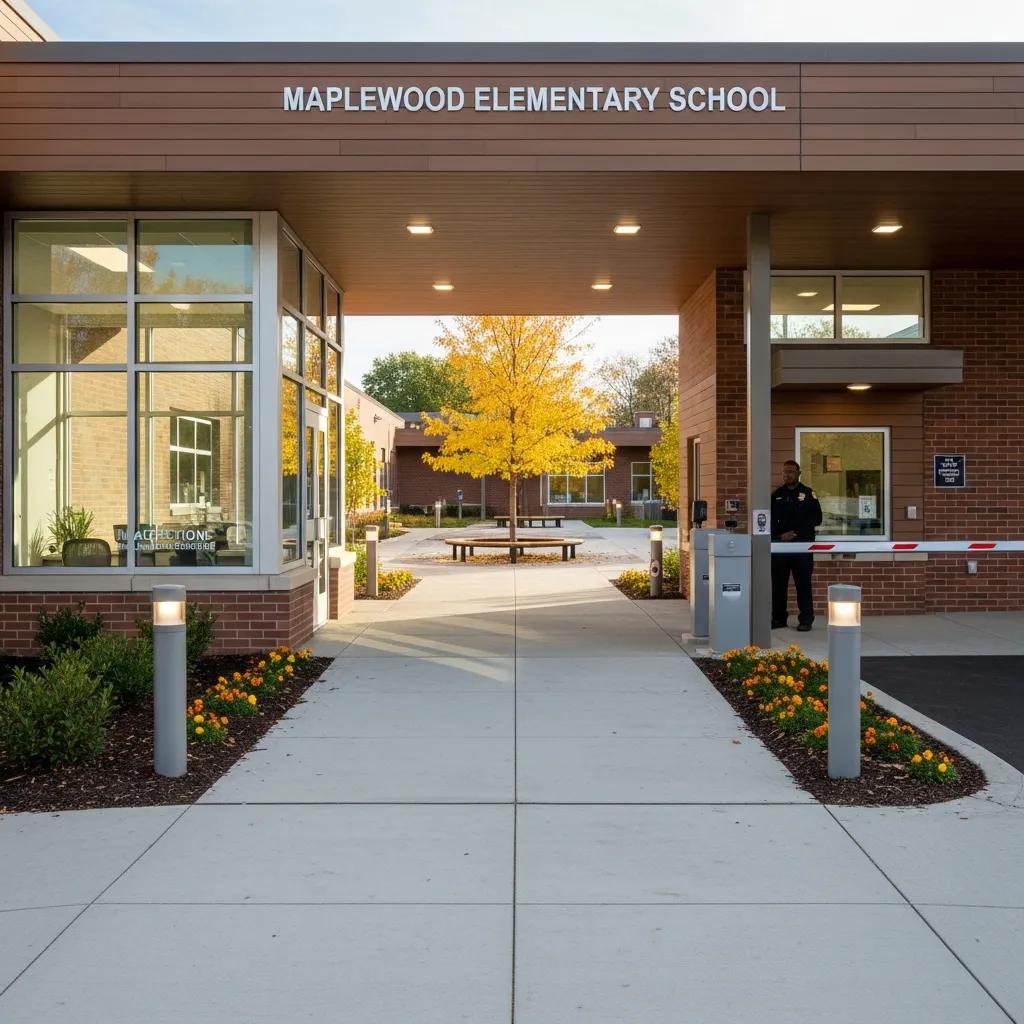
Crime Prevention Through Environmental Design (CPTED) is now a standard consideration for new schools. Designers use sightlines, lighting, and thoughtful access control to improve natural surveillance and limit unwanted access. Small, practical design choices — clearer entries, better exterior lighting, defined arrival paths — make campuses safer without feeling institutional.
How Does Flexible Learning Space Design Impact K-12 School Construction Projects?
Flexible design supports a variety of teaching approaches. Movable furniture, open collaboration zones, and integrated technology let teachers adapt rooms for individual learning, group work, or project-based instruction. These features increase a building’s usefulness over time and help districts get more value from their investment.
Thoughtful physical design is increasingly recognized as a key support for personalized learning and long-term educational change.
K-12 School Design for Personalized Learning & Reform
The redesign of classroom and school spaces has become a central feature of many K-12 personalized learning programs. Observations and interviews at four public schools highlight how new layouts and furnishings create affordances for teaching and learning. Framing these spaces as active parts of the reform helps explain how physical design can support sustainable instructional change.
Participatory design of classrooms: Infrastructuring education reform in K-12 personalized learning programs., JM Kallio, 2018
What Are the Current Trends and Challenges in Hospital Construction in Oklahoma City?
Hospital projects carry specialized requirements: strict health codes, integration of medical systems, and careful sequencing to protect ongoing operations. As care models evolve, hospitals need spaces that support new technologies and patient-centered workflows while meeting rigorous infection-control and safety standards.
How Is Prefabrication and Sustainability Shaping Healthcare Facility Development?
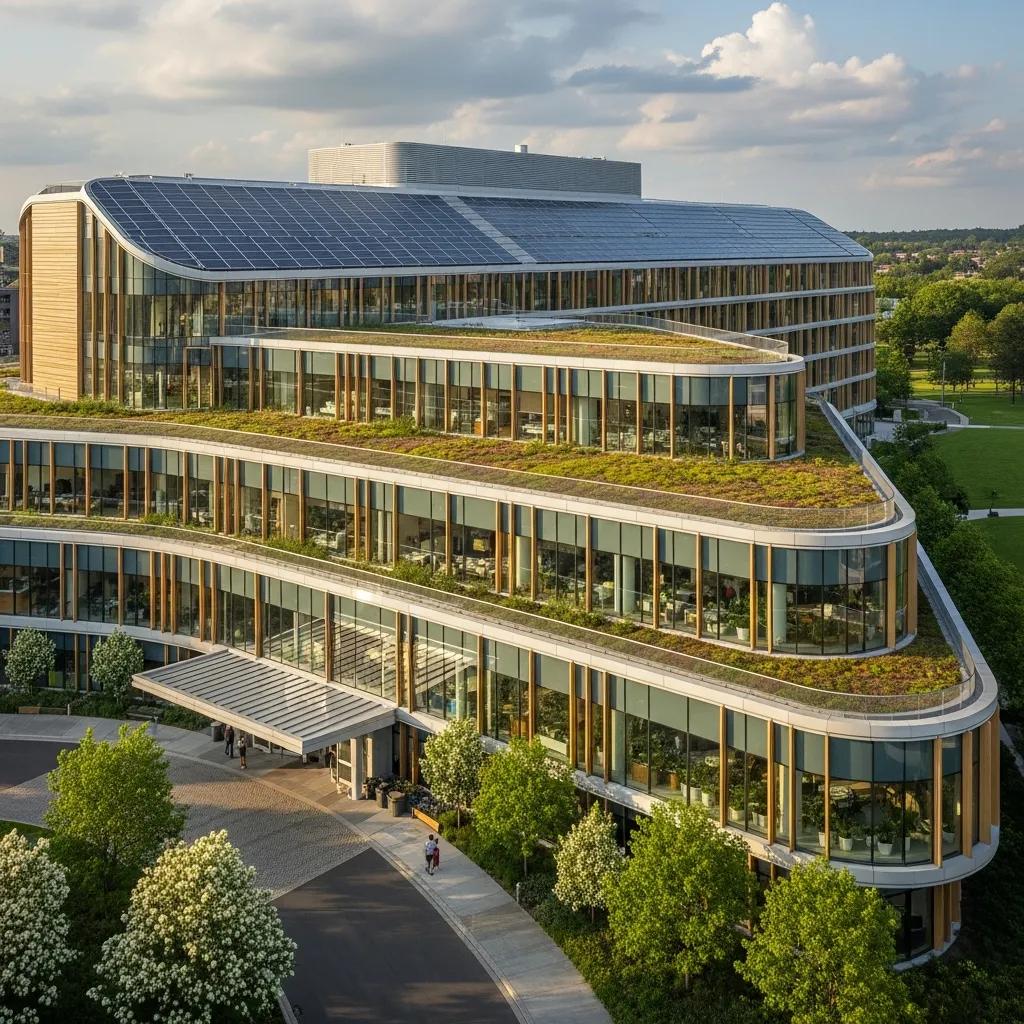
Prefabrication and modular construction can shorten schedules and improve quality in healthcare work by shifting controlled assembly off-site. Combined with energy-efficient systems and durable, low-maintenance materials, these approaches lower lifecycle costs and create more comfortable, resilient environments for patients and staff.
Modular approaches have proven useful for quickly delivering clinical space during emergencies while maintaining quality and safety controls.
Modular Construction for Rapid Healthcare Facility Response
Prefabricated modular construction has been used worldwide to assemble rapid-response health facilities after disasters. During the Covid-19 pandemic, modular solutions helped deploy medical centers quickly and safely. This research outlines how standardization and flexible isolation unit design support rapid emergency responses.
Emergency architecture. Modular construction of healthcare facilities as a response to pandemic outbreak, 2021
What Infection Control Measures Are Critical in Modern Hospital Building Projects?
Infection control is built into design and construction. Critical measures include specifying antimicrobial finishes where appropriate, designing effective ventilation and airflow systems, creating clean/dirty separation in work zones, and using materials and detailing that simplify cleaning and maintenance. Early involvement from infection-control specialists reduces risk during both construction and operation.
Infection control professionals should participate throughout construction and renovation to reduce exposure risks for patients, staff, and visitors.
Infection Control in Hospital Construction & Renovation
Construction and renovation in healthcare settings pose unique infection risks. Infection control experts must identify those risks and work with project teams to limit exposure. This includes meeting municipal, state, and federal guidelines and planning protective measures during each project phase. The literature offers practical strategies for addressing common construction-related infection issues and examples of outbreaks tied to work activities.
Infection control issues in construction and renovation, 1997
What Should You Know About Public Facility Construction and Compliance in Oklahoma City?
Public projects require careful navigation of codes, accessibility rules, and local permitting. Early coordination with authorities and a clear compliance strategy save time and reduce costly changes later in the schedule.
How Do ADA Compliance and Local Regulations Affect Government and Community Building Projects?
The Americans with Disabilities Act (ADA) establishes baseline accessibility that all public facilities must meet. Local codes and agency requirements can add further layers. Contractors who plan for accessibility from schematic design through final inspections help owners avoid retrofit costs and deliver truly usable public spaces.
What Are Best Practices for Managing Public Works and Municipal Construction Projects?
Strong public projects start with stakeholder outreach, transparent timelines, and clear decision-making processes. Regular community updates, coordinated site logistics, and early risk assessments minimize surprises and build public confidence in the final outcome.
How Does ACME Construction Address Unique Challenges in Institutional Building Projects?
ACME brings practical experience to complex institutional work: phased construction to protect operations, permit coordination, and disciplined site controls. That experience helps projects stay safe, compliant, and aligned with owner expectations from start to finish.
What Innovative Solutions Does ACME Offer for Complex School, Hospital, and Public Facility Builds?
We apply proven innovations — selective prefabrication, energy-efficient systems, durable finishes, and coordinated MEP integration — to reduce timelines and operating costs. Our focus is on solutions that deliver measurable value for the owner and the community over the long term.
How Does ACME Collaborate with Architects, Engineers, and Clients for Successful Outcomes?
Collaboration is at the center of our process. ACME joins design teams early, participates in constructability reviews, and keeps communication channels open through regular coordination meetings. This teamwork reduces surprises, improves budgeting accuracy, and aligns the finished building with the owner’s program and schedule.
Where Can You Find Examples of ACME’s Institutional Construction Projects in Oklahoma City?
ACME’s portfolio includes school campuses, medical expansions, and municipal facilities across the region. Our case studies show how thoughtful planning and steady execution produce buildings that serve communities well for decades.
What Case Studies Showcase ACME’s Expertise in School Construction?
Our school projects highlight flexible classroom planning, enhanced security measures, and durable finishes selected for low life-cycle costs. Case studies show how we balance instructional goals, budget realities, and maintenance needs to deliver functional learning environments.
Which Hospital and Public Facility Projects Demonstrate ACME’s Quality and Reliability?
Hospital and municipal projects in our portfolio demonstrate our attention to regulatory detail, infection-control planning, and phased construction techniques that protect ongoing operations. These projects reflect ACME’s commitment to dependable delivery and long-term performance in facility management.
Frequently Asked Questions
What are the key considerations for selecting a contractor for institutional construction projects?
Look for proven experience on similar building types, strong project-management practices, and a track record of code compliance. Review case studies, ask for client references, and confirm the contractor’s approach to communication and change management. A contractor who understands your operational needs and stays transparent about schedule and costs will be easier to work with over the life of the project.
How do technological advancements influence institutional construction in Oklahoma City?
Tools like Building Information Modeling (BIM) improve coordination between design and construction, reducing clashes and rework. Prefabrication shortens field schedules, and smart building systems help lower operating costs. Taken together, these technologies let teams deliver more predictable outcomes and buildings that support evolving operational needs in facility management.
What role does community engagement play in public facility construction projects?
Community engagement builds trust and produces better outcomes. Early input identifies local priorities and potential concerns, which lets design teams address issues before construction starts. Transparent communication and public meetings also reduce opposition and help projects move forward more smoothly.
What are the environmental considerations in hospital construction?
Key considerations include energy efficiency, indoor air quality, material selection, and construction waste management. Incorporating features like efficient HVAC systems, low-emitting materials, and renewable energy can reduce lifecycle costs and improve patient and staff well-being. Pursuing certifications such as LEED can also demonstrate a facility’s commitment to facilities management.
How can institutional construction projects address future needs and adaptability?
Design for flexibility: plan for modular layouts, future utility capacity, and accessible chase space for upgrades. Modular construction techniques and open, adaptable floor plans let buildings respond to changing programs without costly demolitions. Engaging stakeholders about future needs during design helps avoid expensive retrofits later.
What are the financial implications of choosing sustainable construction practices?
Sustainable choices may add some upfront cost but typically reduce long-term operating expenses through lower energy and maintenance needs. They can also unlock funding opportunities, improve occupant comfort, and increase asset value. Owners should weigh initial investments against projected lifecycle savings to make informed decisions in facilities management.