
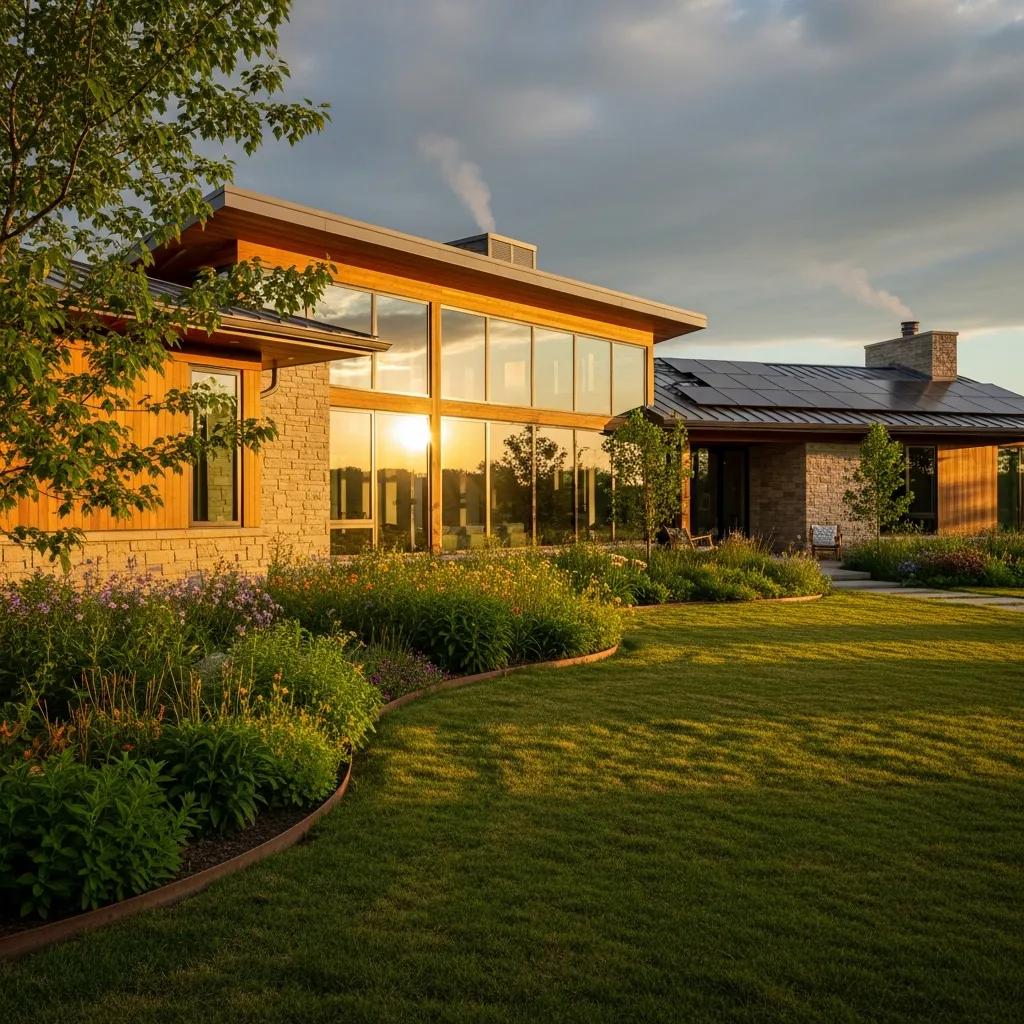
Green Building & Eco-Friendly Construction in Oklahoma City — Practical, Energy-Smart Solutions for Homes and Businesses
Sustainable construction is more than a trend — it’s a smarter way to build for Oklahoma City’s climate and communities. This guide walks homeowners and business owners through the real advantages of green building: lower energy bills, healthier indoor air, and materials that cut waste and emissions. You’ll find practical information about eco-friendly materials, energy-saving systems, water-conservation tactics, and how certifications work. Wherever you are in a build or renovation, these insights will help you make choices that save money and protect the environment. For projects built with local know‑how, see ACME Construction for sustainable options and guidance.
Local research and case studies underline the measurable advantages of sustainable construction across Oklahoma City.
Sustainable Construction Methods & Materials in Oklahoma City
Research shows a growing preference for sustainable methods in local projects, driven by long-term cost savings and environmental benefits. Choosing materials and practices with sustainability in mind changes project outcomes and community impact.
Quantifying Costs and Benefits of Sustainable Projects in the City of Oklahoma City, R Mosier, 2013
What Are the Key Benefits of Green Building for Oklahoma City Homeowners and Businesses?
Green building delivers clear, practical benefits: reduced energy and water use, improved indoor comfort and health, and smaller environmental footprints. For both homeowners and commercial owners, sustainable design and materials translate into lower operating costs and a more resilient property.
How Does Green Building Reduce Energy and Water Consumption?
Green buildings rely on efficient appliances, tighter building envelopes, and water-saving fixtures to cut consumption. Energy-smart equipment uses less electricity, while low-flow faucets and toilets reduce water use without sacrificing performance. Together, these measures lower utility bills and ease pressure on local infrastructure.
What Financial and Health Advantages Do Sustainable Buildings Offer?
Sustainable buildings save money through reduced utility bills and can qualify for tax incentives or rebates. They also improve indoor air quality by limiting pollutants and using low-emission materials, which supports occupant health and productivity — a tangible benefit for homeowners and businesses alike.
Which Sustainable Building Materials Does ACME Construction Use in Eco-Friendly Projects?
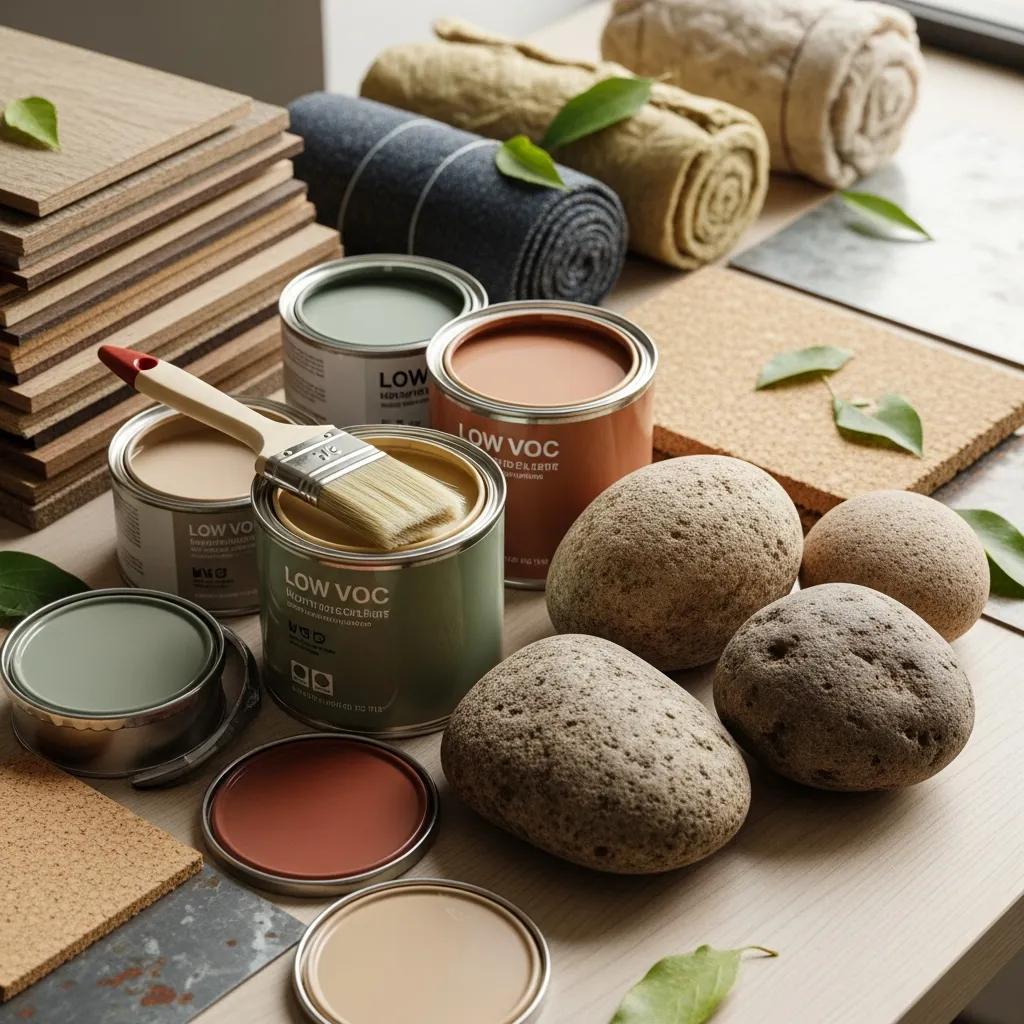
At ACME Construction we prioritize materials that reduce environmental impact and improve building performance. That includes recycled content, locally sourced products to cut transport emissions, and low‑VOC finishes to protect indoor air quality.
What Are the Advantages of Recycled and Locally Sourced Materials?
Recycled materials keep waste out of landfills and reduce demand for new resources. Locally sourced products shorten supply chains, support area suppliers, and cut transportation emissions — a small change that adds up on every project.
How Do Low-VOC Paints and Advanced Insulation Improve Indoor Air Quality?
Low‑VOC paints and modern insulation reduce off‑gassing and help maintain steady indoor temperatures. The result is healthier air, fewer allergens, and more consistent comfort — plus lower heating and cooling costs over time.
How Does ACME Construction Implement Energy-Efficient Building Solutions in Oklahoma City?
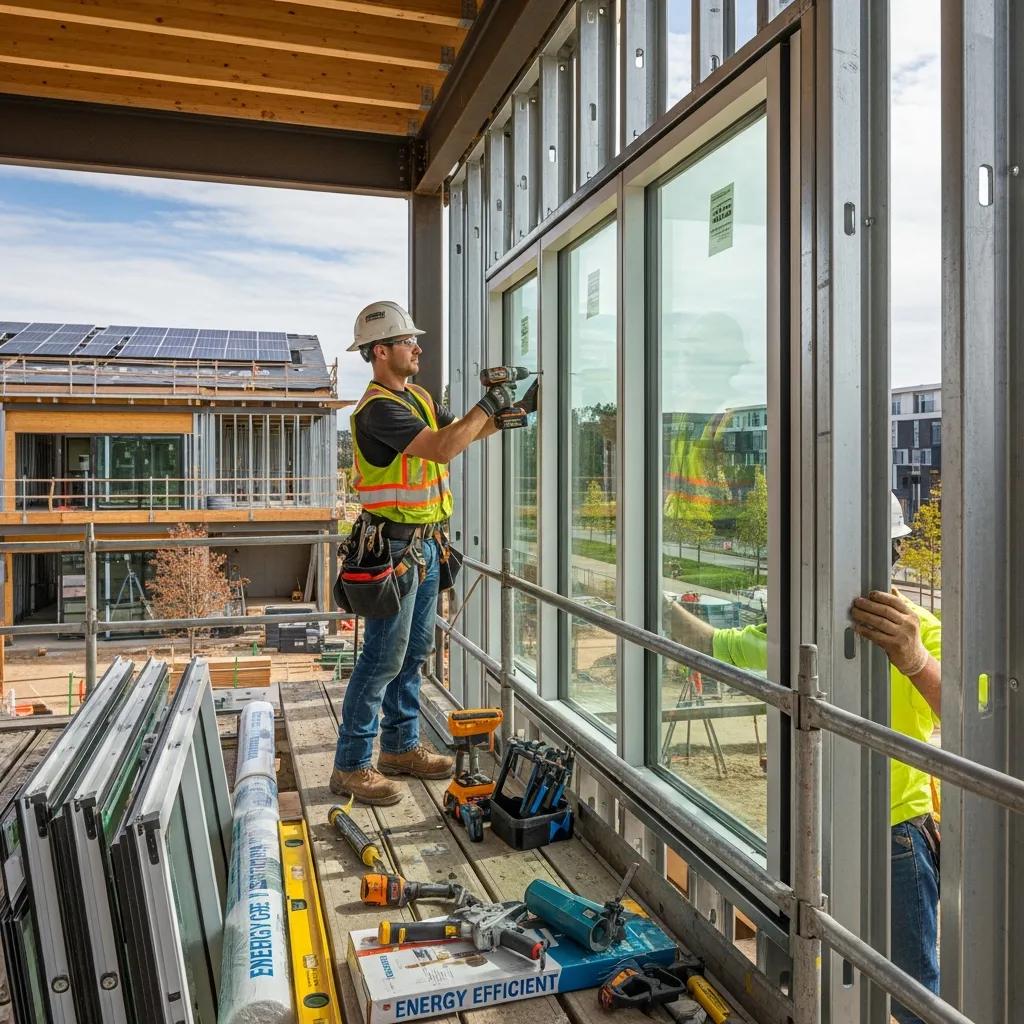
ACME Construction combines proven construction techniques with targeted technologies to boost efficiency. We focus on airtight construction, upgraded insulation, efficient HVAC, and the seamless integration of renewable systems to deliver measurable energy savings.
What Are Advanced Insulation and High-Performance Window Technologies?
Advanced insulation and high-performance windows reduce heat transfer, keeping interiors comfortable with less energy. When installed correctly, these components are among the most cost-effective ways to lower heating and cooling loads.
How Are Renewable Energy Systems Integrated into Green Building Projects?
Renewable systems like rooftop solar and geothermal HVAC are designed to work with the building’s envelope and electrical systems. By planning for renewables early, we maximize their effectiveness and return on investment, making clean energy a practical choice for many projects.
What Water Conservation Practices Are Used in Sustainable Construction?
Water efficiency is an essential part of sustainable design. Projects often include rainwater capture, greywater reuse, drought-tolerant landscaping, and low-flow plumbing to reduce potable water demand and lower utility costs.
How Do Rainwater Harvesting and Greywater Recycling Systems Work?
Rainwater harvesting collects roof runoff for irrigation and other non-potable uses. Greywater systems recondition lightly used water from sinks and showers for landscape irrigation or toilet flushing. Both approaches reduce fresh water demand and extend the life of local water supplies.
Applied examples of greywater reuse demonstrate practical irrigation benefits and reduced mains-water dependence.
Gray Water Reuse for Sustainable Irrigation
Practical greywater systems store and treat household wastewater before applying it to landscape irrigation. When designed and maintained properly, these systems conserve potable water and support sustainable landscaping.
Gray water reuse, 2023
What Are the Benefits of Low-Flow Fixtures in Green Buildings?
Low-flow fixtures cut water use dramatically while maintaining performance. They lower utility bills, reduce strain on municipal systems, and are an easy, cost-effective upgrade for both new builds and remodels.
How Does ACME Construction Support LEED and Other Green Building Certifications?
ACME Construction helps clients pursue LEED and similar certifications by advising on design choices, documenting performance, and coordinating required testing. Certifications validate a building’s environmental performance and can increase market appeal and long-term value.
What Are the Requirements and Benefits of LEED Certification?
LEED evaluates energy and water efficiency, materials, site planning, and indoor environmental quality. Achieving certification often leads to lower operating costs, improved occupant satisfaction, and stronger resale or lease value.
Resilience studies show that certified buildings can offer added protection and performance in regions that face severe weather, like parts of Oklahoma.
LEED Certified Green Buildings in Oklahoma
Given Oklahoma’s exposure to extreme weather, researchers have examined how LEED-certified institutional buildings perform and recover. Findings highlight resilience benefits tied to sustainable design choices.
Assessing the Resilience of LEED Certified Facilities in Oklahoma, S Bhattacharjee, 2017
How Do ENERGY STAR and HERS Index Ratings Reflect Building Performance?
ENERGY STAR and the HERS Index give homeowners and builders objective benchmarks for energy performance. These ratings help identify where upgrades will have the most impact and let buyers compare efficiency across properties.
What Are the Advantages of Green Remodeling and Sustainable Home Building in Oklahoma City?
Green remodeling and sustainable new construction increase comfort, cut operating costs, and reduce environmental impact. Whether you’re updating an older home or building new, thoughtful choices yield long-term savings and better living spaces.
How Can Existing Homes Be Upgraded for Energy Efficiency and Sustainability?
Common upgrades include adding insulation, sealing air leaks, replacing windows with high-performance units, and installing efficient HVAC systems or solar panels. These improvements boost comfort, lower bills, and raise property value.
What Makes Sustainable Commercial Construction Projects Unique?
Commercial projects often have different scales, regulatory requirements, and systems needs than residential builds. They require coordinated planning across mechanical, electrical, and site systems to meet sustainability and budget goals while delivering operational savings.
Materials chosen for sustainable projects influence both environmental outcomes and local economies in meaningful ways.
| Material Type | Benefit | Environmental Impact |
|---|---|---|
| Recycled Materials | Diverts waste from landfills | Reduces demand for new raw materials |
| Locally Sourced Products | Supports local economies | Lowers transportation-related emissions |
| Low-VOC Paints | Improves indoor air quality | Reduces harmful off-gassing |
This table highlights how material choices translate into environmental and community benefits — a reminder that smart sourcing matters on every project.
Frequently Asked Questions
What are the long-term benefits of investing in eco-friendly construction?
Long-term benefits include lower energy and water bills, reduced maintenance, and higher property value. Eco-friendly buildings also support healthier indoor environments and often last longer because they use durable materials and modern systems. Over time, these savings and quality gains typically offset higher upfront costs.
How can homeowners assess the energy efficiency of their current homes?
Start with a professional energy audit to check insulation, air sealing, HVAC performance, and appliance efficiency. Many utilities offer audits or rebates. You can also look for drafts, inspect window and door seals, and compare historic energy bills to spot inefficiencies. Tools like the HERS Index give a standardized energy score.
What role do government incentives play in promoting green building practices?
Government incentives — tax credits, rebates, and grant programs — lower the initial cost of efficient upgrades and renewable installations. These incentives make sustainable investments more accessible and improve project payback periods, encouraging wider adoption.
How can businesses benefit from adopting sustainable construction practices?
Businesses can save on operating costs, attract customers and tenants who value sustainability, and improve employee comfort and productivity. Sustainable buildings also strengthen brand reputation and can qualify for incentives that improve return on investment.
What are some common misconceptions about green building?
Two frequent myths are that green building is prohibitively expensive and that it sacrifices style. While some sustainable features add upfront cost, many pay back quickly through energy and water savings. Modern sustainable products and designs also deliver excellent aesthetics and performance.
How does community involvement impact the success of green building initiatives?
Community engagement helps align projects with local needs and builds support for sustainable choices. When residents, businesses, and local officials collaborate, projects are more likely to succeed and deliver benefits that match community priorities.