

Practical Strategies for Managing Commercial Building Projects — On Time and On Budget
Strong project management keeps commercial construction moving: schedules met, budgets respected, quality held to standard. This guide pulls together the practical strategies that drive consistent results—pre-construction planning, cost control, and risk mitigation—so teams can turn complex projects into predictable outcomes. Large-scale builds present real challenges, but with the right processes they become manageable opportunities. We cover scheduling, logistics, quality assurance, and how modern tools fit into the workflow. You’ll also see how ACME Construction, an Oklahoma City contractor, applies these approaches on real projects.
What Are the Key Components of Efficient Commercial Construction Project Management?
Efficient commercial project management rests on a few core areas: clear pre-construction planning, disciplined cost control, and active risk management. When project teams focus on these pillars, projects are more likely to finish on schedule, stay inside budget, and meet quality expectations. Those components form the practical foundation every project manager should build from.
How Does Strategic Pre-Construction Planning Enhance Project Success?
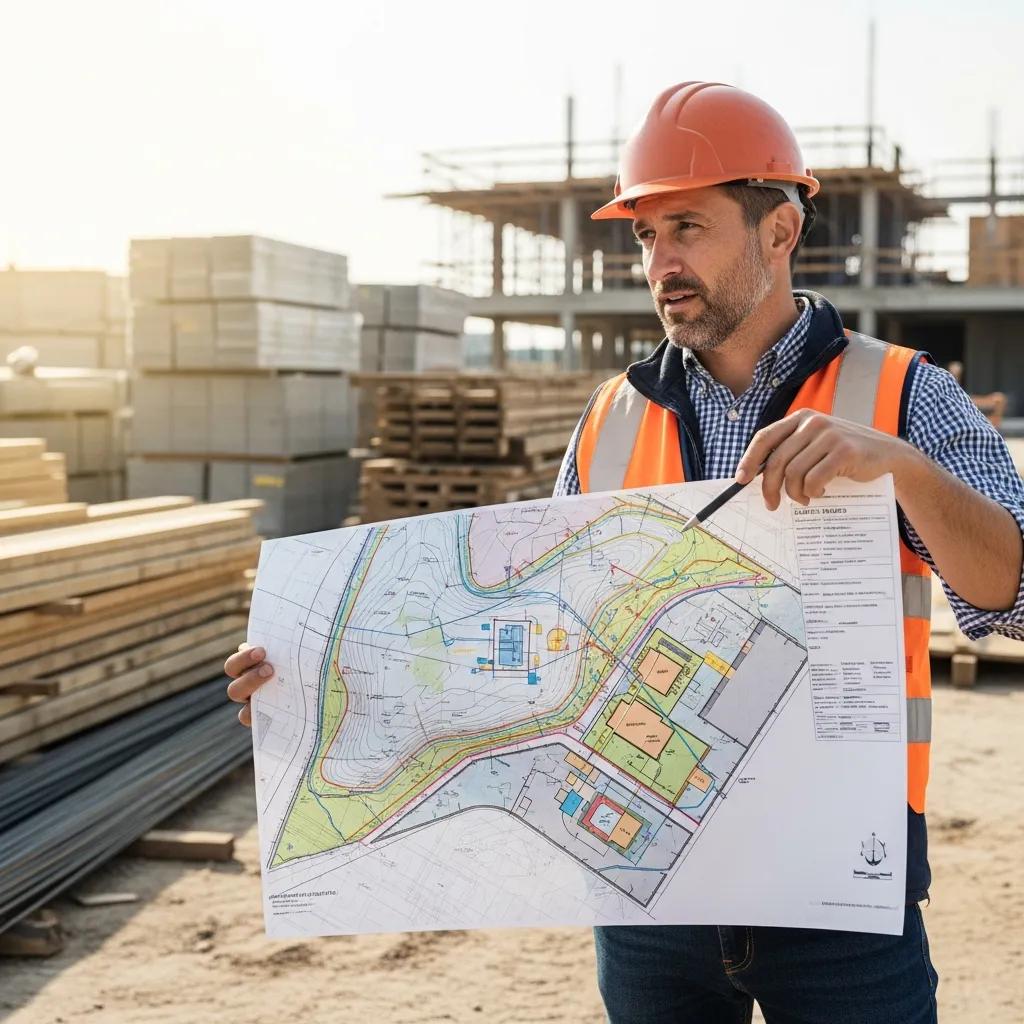
Pre-construction planning sets the project up to run smoothly. This phase includes thorough site analysis, permits, and clear stakeholder alignment. Spotting site constraints early reduces surprises; engaging owners, designers, and subcontractors up front prevents scope drift and speeds decision-making. When teams invest the time to plan, execution becomes more predictable and efficient.
Why Is Robust Cost Control Essential in Commercial Building Projects?
Keeping tight control of costs is crucial to protect margins and avoid surprises. That means realistic budgets, ongoing expense tracking, and disciplined change-order management. When cost processes are enforced from day one, teams can allocate funds where they matter, respond quickly to changes, and avoid the last-minute scramble that drives overruns. Projects that prioritize cost control deliver better financial results and stronger client relationships.
How Can Risk Management Improve Large Scale Commercial Construction Projects?
Proactive risk management reduces delays and keeps projects resilient. Identify potential issues early in the lifecycle, quantify their impact, and create mitigation plans that stakeholders understand. Regular risk reviews and clear communication keep the team focused and ready to react, which lowers the chance of costly disruptions and helps maintain schedule and budget integrity.
What Are Effective Risk Identification and Mitigation Strategies?
Identify risks through structured assessments—look for weather impacts, supply chain weak points, permitting timelines, and safety exposures. Use risk registers, schedule reviews, and cross-discipline workshops to surface concerns early. Mitigation means assigning owners, monitoring triggers, and building communication plans so everyone knows next steps when a risk materializes. That combination turns unknowns into manageable actions.
How Does Contingency Planning Minimize Construction Delays and Cost Overruns?
Contingency planning provides the cushion teams need to keep work moving when the unexpected happens. Allocate time and budget for likely disruptions, create alternative work sequences, and keep flexible resource plans. Projects that plan for contingencies can adapt without losing momentum, reducing both schedule slips and extra costs.
What Are Best Practices for Optimizing Commercial Construction Scheduling and Logistics?
Optimizing schedule and logistics is about clarity and coordination: define the critical path, sequence trades logically, and plan material deliveries to match on-site capacity. When everyone understands milestones and handoffs, crews stay productive and delays shrink. Good logistics keep the site safe and predictable—two things that directly improve performance.
How Does the Critical Path Method Streamline Project Timelines?
The Critical Path Method (CPM) identifies the sequence of tasks that determine your finish date. By focusing resources on those activities and managing their dependencies, teams avoid bottlenecks and make smarter trade-offs. CPM gives managers the clarity to prioritize work and make timely decisions that keep the project on track.
For teams seeking deeper guidance, industry resources explain CPM and related scheduling approaches and how they affect cost and efficiency in practice.
Construction Project Planning, Scheduling & Cost Control
1. This chapter reviews project planning and scheduling fundamentals for construction, showing how systematic planning defines scope, sets objectives, and creates measurable action steps. It covers scheduling techniques—like the Critical Path Method (CPM) and PERT—to manage task dependencies and resource allocation. The chapter also discusses time–cost trade-offs, Earned Value Management (EVM), and resource leveling to optimize schedules. Combining core principles with advanced methods and real-world examples, the chapter equips construction professionals to reduce risks and deliver projects on schedule and within budget.
Construction Project Planning and Scheduling, F Haque, 2025
What Role Does Resource Allocation Play in Efficient Construction Logistics?
Resource allocation determines whether work flows or stalls. Make sure the right people, equipment, and materials arrive when they’re needed—use resource leveling to smooth peaks and avoid crew idle time. Effective tools and clear assignment of responsibilities help maintain steady progress and reduce costly interruptions.
How Is Quality Assurance and Control Maintained in Commercial Building Projects?
Quality assurance keeps the finished building safe, functional, and aligned with expectations. That means following codes and standards, scheduling regular inspections, and using a clear process for punch lists and defect resolution. A disciplined approach to quality reduces rework and protects the owner’s investment.
What Are the Standards and Inspections Ensuring Construction Quality?
Building codes, manufacturer requirements, and inspection schedules are the baseline for quality. Consistent documentation and timely inspections ensure work meets those standards. Catching issues early through frequent checks prevents problems from becoming expensive rework later in the project.
How Does Defect Management Support Project Closeout Success?
Effective defect management smooths the path to final acceptance. Track defects, assign responsibility, and follow clear repair timelines so issues are resolved before turnover. That process improves owner satisfaction and reduces warranty claims—helping teams finish projects with confidence.
Research highlights the economic and operational benefits of systematic defect management and modern tools that support defect detection and resolution.
Effective Defects Management in Commercial Construction
1. This study examines construction defects and their consequences for projects and the wider economy. It categorizes defects—design errors, workmanship problems, material failures—and distinguishes between obvious and latent defects. The research stresses the need for continuous defect management, looks at barriers to effective implementation, and evaluates how new technologies and improved workmanship can reduce defect incidence. Its goal is to analyze defect types and severity, compare management approaches, and recommend practical improvements for the commercial construction sector.
Defects Management in Commercial Construction, 2023
How Does Technology Integration Enhance Commercial Project Management Efficiency?

Technology streamlines coordination and reduces errors. Tools like Building Information Modeling (BIM) and cloud-based project software centralize information so teams make faster, better decisions. When used thoughtfully, technology shortens review cycles, improves communication, and keeps documentation current across the jobsite and office.
What Benefits Does Building Information Modeling Provide in Construction Planning?
BIM gives teams a shared, visual model to spot clashes, test sequences, and communicate design intent before field work starts. That early visibility cuts change orders and rework, improves coordination across disciplines, and can reduce overall project cost by avoiding late-stage surprises.
Industry studies document how BIM adoption improves scheduling, reduces errors, and supports collaboration throughout a project’s lifecycle.
BIM Benefits for Construction Project Management
1. Building Information Modeling (BIM) is an increasingly established collaboration process in construction. Owners are asking for BIM from construction managers, architects, and engineers, and many firms invest in BIM during bidding, preconstruction, construction, and post-construction phases. This work examines how BIM supports construction managers—its uses, benefits, and the role of BIM-based scheduling in improving project outcomes.
Benefits of building information modeling for construction managers and BIM based scheduling, 2011
How Do Project Management Software Tools Improve Collaboration and Tracking?
Project software brings transparency: task assignment, progress tracking, document control, and real-time updates keep teams aligned. These platforms shorten response times to issues and make it easier to audit decisions, which helps maintain schedule and cost discipline across complex projects.
Why Choose ACME Construction for Efficient Commercial Building Project Management in Oklahoma City?
ACME Construction brings local knowledge and proven processes to every job in Oklahoma City. We combine hands-on field experience with disciplined project controls so projects finish on time, within budget, and to a high standard of workmanship. Our approach centers on clear communication and practical planning that keeps stakeholders informed and confident.
What Unique Project Management Strategies Does ACME Construction Employ?
We prioritize detailed pre-construction planning, measurable cost controls, and a proactive approach to risk. That means coordinated scheduling, disciplined change management, and consistent site supervision—practical steps that reduce surprises and protect the owner’s schedule and budget.
How Do ACME’s Local Expertise and Client Partnerships Drive Project Success?
Local knowledge matters: understanding regional codes, inspection timelines, and subcontractor networks shortens lead times and reduces permit risks. We build strong client partnerships through transparent reporting and responsive communication, which helps projects move forward with fewer roadblocks and greater trust.
Frequently Asked Questions
What are the common challenges faced in commercial construction project management?
Projects commonly face budget pressure, schedule conflicts, and communication gaps among stakeholders. External issues—weather, supply chain delays, or regulatory changes—add complexity. Successful teams anticipate these challenges with realistic planning, active risk management, and clear communication so they can adapt without losing momentum.
How can technology improve safety on construction sites?
Technology enhances safety through wearables that monitor worker exposure, drones that give safe aerial views, and safety-management software that simplifies reporting and follow-up. These tools help identify hazards sooner and ensure incidents are tracked and resolved, contributing to a safer jobsite culture.
What role does stakeholder engagement play in project success?
Early and consistent stakeholder engagement aligns expectations and speeds decisions. Regular updates, clear meeting cadences, and stakeholder-specific communication keep owners, designers, and contractors informed and invested—reducing disputes and improving delivery.
How can project managers ensure compliance with building codes and regulations?
Ensure compliance by researching local requirements during pre-construction, coordinating closely with permitting authorities, and scheduling regular inspections. Training the team on applicable codes and documenting compliance throughout the build reduces risk and avoids late-stage corrections.
What are the benefits of using a project management consultant?
A project management consultant brings focused expertise, independent oversight, and process discipline. They help identify risks early, improve scheduling and cost controls, and introduce best practices that keep complex projects on track.
How does effective communication impact project management?
Clear, consistent communication prevents misunderstandings and keeps teams accountable. Regular progress reports, open feedback loops, and defined escalation paths speed issue resolution and support better decision-making—helping projects stay aligned with goals.