
If you are figuring out how to bid a commercial remodel in Oklahoma City, you are really asking how to get comparable prices for the same scope—so you can choose a contractor without guessing which number is incomplete. Remodel bidding fails most often not because contractors are dishonest, but because drawings, assumptions, exclusions, and site conditions are not aligned before numbers go out.
This guide walks OKC owners, property managers, and facility teams through a practical bidding process: what to prepare, what to ask for, how to compare proposals, and how local permitting and occupied-building realities change the game. Bidding for a commercial remodel project in Oklahoma City follows a structured pathway—package, walk, quotes, matrix, award—rather than a single phone-call price.
Start With Outcome, Not a Parts List for Oklahoma City Projects

Before you invite bids, write a one-page outcome statement for the business and the project:
What must be true on opening day?
Which areas stay occupied during construction?
What is the hard date (lease start, inspection milestone, seasonal opening)?
What is in scope vs later phase?
Who approves changes and how fast?
Contractors price risk. Clear outcomes reduce defensive contingencies. Vague goals (“spruce up the place”) produce wide bid spreads and change orders later. If you are thinking only about finishes and not about schedule, access, or ADA path of travel, stop and rewrite the outcome before anyone prices the work.
Build an Oklahoma City OK Bid Package Contractors Can Actually Price
A usable Oklahoma City OK commercial remodel bid package usually includes:
Project summary — address, use type (office, retail, warehouse, clinic), building dimensions, square footage, and occupied vs vacant status
Scope narrative — demolition, partitions, finishes, MEP, life safety, exterior, and site work in plain language
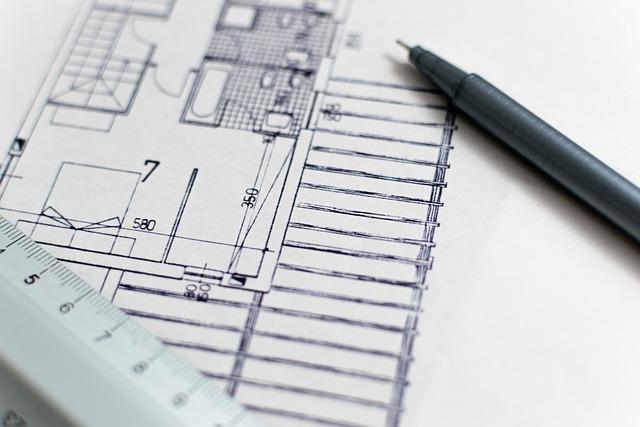
Drawings / sketches — floor plans, reflected ceiling if relevant, elevations for storefront or facade work; analyzing plan specs means reviewing architectural drawings, structural notes, and MEP plans together
Spec notes — finish levels, door hardware, lighting approach, flooring types, accessibility expectations
Known existing conditions — asbestos surveys, roof age, electrical service size, prior remodel history
Schedule constraints — work hours, noisy-work windows, blackout dates, material lead-time concerns, access constraints for deliveries and dumpsters
Allowance placeholders — fixtures, finishes, or owner-furnished equipment not yet selected
Exclusions you already know — IT cabling by others, furniture, security vendors, specialty medical equipment
Submission instructions — due date, required format, contact for RFIs, site-walk date
Insurance and bonding requirements — general liability, workers’ compensation, and any bid bond or performance bond specs if the project is public or landlord-driven
Send the same package to every bidder. Completing required forms without unauthorized alterations is essential for bid preparation—especially on public work, where missing forms or signatures can disqualify a bid even if the price looks competitive. If one contractor gets a verbal clarification and others do not, you no longer have a bid comparison—you have three different jobs. Scope equivalency ensures all bids price the same specifications.
Decide Delivery Structure Before You Bid
How you bid depends on how you contract:
General contractors (GC) bidding: Invite 2–4 qualified general contractors to price the full remodel as one accountable package.
Specialty-direct bidding: Only for true single-trade scopes with little coordination.
Design-assist / preconstruction: Useful when drawings are incomplete and you need pricing feedback while design develops.
For most multi-trade remodeals in Oklahoma City—office TI, retail buildout, clinic refresh, warehouse office insert—GC bidding is the cleaner path. You compare delivery teams, not a pile of disconnected trade quotes you will have to stitch together yourself. When you do solicit specialty work, make sure subs receive the same addenda the general contractors see.
Oklahoma City Remodel Bidding: Local Factors That Move Numbers
OKC commercial remodeals carry local variables that national templates miss:
City of Oklahoma City remodel submittals: Commercial remodel permit packages typically need project cost, square footage, scope description, and floor plans. Larger or structural scopes may require design professional involvement. Spans and structural changes can trigger engineer requirements. Commercial building permits are required for structural alterations or repairs; permits are necessary to construct, alter, repair, or demolish structures in Oklahoma City.
Codes and occupancy: Oklahoma City enforces standard commercial safety codes, including the International Building Code. Changes of occupancy trigger intensive plan reviews and stricter safety requirements. Commercial remodeals must also comply with ADA guidelines regarding accessibility.
Trade registration and licensing: The City of OKC requires local registration for contractors on building projects. Confirm contractor registration for city work and that specialty trades hold the right licenses. The Oklahoma Construction Industries Board regulates specialized trades like plumbing and electrical; ask how board-licensed trades are covered in the bids.
Taxes and documentation: The Oklahoma Tax Commission provides sales tax guidance for contractors in Oklahoma City—confirm whether tax is included or excluded so quotes stay comparable.
Older building stock: Brick, undocumented prior remodels, and mixed structural systems are common in central OKC corridors.
Clay soils and slab movement: Floor flatness, door clearances, and partition work can be affected by existing slab conditions.
Severe weather schedule risk: Exterior masonry, concrete, and roof-adjacent work need weather contingency in the calendar—not just the budget. Local knowledge is crucial for managing post-storm documentation when exterior scopes are involved.
Occupied operations: Medical, retail, and warehouse clients often need phasing, after-hours work, and dust/noise controls that change crew productivity and price.
Ask every bidder how they priced these realities. If one bid ignores them, it is not cheaper—it is incomplete. Commercial remodel estimates must include local planning, inspections, and permit fees—or state them as clear owner costs.
Step-by-Step: How to Bid a Commercial Remodel in Oklahoma City
1) Prequalify contractors before you send drawings
Shortlist firms that have done similar commercial remodeals in the metro. Check:
Relevant project types and sizes
Insurance limits and bonding capacity if needed
Safety approach for occupied sites
Self-perform trades vs heavy subcontract model
References from property managers or commercial supers
Three strong bidders beat eight random ones. Bid evaluations include checking contractor licensing and insurance before you spend time comparing line items. Structured reference checks help; ask for three recent projects of similar scale when the budget warrants it, and ask how warranty closeouts were handled—contractors may fail warranty closeouts despite positive references.
2) Hold a mandatory site walk
Walk every bidder through the same spaces. Point out:
Walls coming down
Suspected wet areas or roof leaks
Electrical rooms and panel capacity concerns
Above-ceiling congestion
Access routes, dumpster location, and elevator constraints
Neighboring tenant sensitivities
Collect RFIs in writing. Issue one addendum to all bidders so answers stay equal. Site walks are also the place to share information that drawings leave silent.
3) Require line-item or trade-break pricing—not only a lump sum
A single total hides everything. Ask for breaks such as:
Demolition and haul-off
Framing / drywall / ceilings
Doors, frames, hardware
Flooring and base
Paint and finishes
Electrical
Plumbing
HVAC / mechanical
Fire protection / life safety
Concrete / masonry / exterior (if applicable)
General conditions, permits, and supervision
You do not need a 40-page estimate. You need enough structure to spot gaps. A well-structured bid form reveals cost gaps in contractor bids and reveals hidden cost gaps that lump sums bury. Request multiple quotes for major trades when the GC model still leaves you unsure about market pricing.
4) Demand written assumptions and exclusions
This is the heart of how to bid a commercial remodel in Oklahoma City successfully. Every proposal should answer:
What existing conditions are assumed “adequate”?
What is allowance vs fixed?
What is excluded entirely?
Who pulls which permits?
Who owns patch/paint after MEP?
Who owns firestopping and above-ceiling close-up?
What schedule duration is assumed for permit review?
Commercial remodel bids often require allowances or clear exclusions for unknown conditions. Exclusions are where low bids hide. Read them slowly. Unbalanced bids often have low base-work prices and high allowances—spot that pattern before you award.
5) Compare bids on a scope matrix before you stare at totals
Build a simple sheet:
Scope item | Contractor A | Contractor B | Contractor C |
|---|---|---|---|
Demo / haul-off | In | In | In |
Electrical service upgrade | Excluded | In | Allowance |
Sprinkler head moves | Excluded | In | Excluded |
Low voltage | By owner | Excluded | In |
Permit fees | Excluded | In | Excluded |
Final clean | In | In | Excluded |
Treat the matrix as your first pass before deeper price analysis. The cover-page low number often climbs once missing scope is added back at market cost. Only after the matrix is complete should you compare adjusted totals—otherwise you are thinking about price without comparing the same work.
6) Interview the finalists about the gaps
Do not say, “Can you match this lower price?” Say, “Bid B includes sprinkler relocation and permit fees; please confirm your coverage.” Good contractors clarify. Vague contractors dodge. That difference predicts jobsite behavior. Manufacturer representatives can provide insights on contractor reliability for specialty systems when finish packages are complex.
7) Award on complete value, then lock the contract to the bid package
The signed proposal should reference your scope package date/revision, allowance schedule, exclusion list, and baseline schedule. Timely submission before deadlines is critical for bid acceptance on public projects.
FAQs: How to Bid a Commercial Remodel in Oklahoma City
How do I bid a commercial remodel in Oklahoma City without getting misleading low numbers?
Issue one complete bid package, require line-item pricing, demand assumptions/exclusions, and compare scope on a matrix before ranking totals. Collect multiple quotes only after packages match. Low numbers with long exclusion lists are incomplete.
Do general contractors need a license in Oklahoma?
Oklahoma does not use a broad statewide general contractor license. Specialty trades are regulated through the Oklahoma Construction Industries Board, and Oklahoma City requires local contractor registration. Verify board licenses and city registration for each project.
Should I accept the lowest construction bid?
Not automatically. Re-rank after adding excluded items at market cost. It is worth choosing the complete proposal. Homeowner-style ballpark thinking does not protect a commercial project.
Can ACME help if drawings are incomplete?
Yes. ACME can walk the site, find gaps, share a request list, and help you run a cleaner bid cycle for your Oklahoma City OK project.
Oklahoma City OK Project Controls: Board Rules, Quotes, and Shared Information
Every Oklahoma City OK remodel project benefits when owners share information early and request multiple quotes with the same package. If you are thinking a single verbal number will end risk, read this section twice. Commercial project work in Oklahoma is not a homeowner punch list; each project needs written assumptions, and each Oklahoma City OK project should pass a document check before award.
Ask general contractors how their Oklahoma Construction Industries Board–covered trades will be staffed. Board-licensed plumbing and electrical scopes still apply on private business project work. When a landlord board or ownership board must approve awards, put that review time on the project calendar so the contractor can run a realistic schedule.
For each major project trade, collect quotes you can compare. Multiple quotes help you find market price; a single quote can hide a place where scope was dropped. Share drawings, share addenda, share access rules, and share inspection notes with every bidder so the project stays fair. At the end of review, pass clarified exclusions to accounting and pass the same sheet to the field. It is worth the hour it takes to write these controls once and run them on the next Oklahoma City OK project.
If you cannot find enough subs coverage for a project in the current market, say so and carry time. Do not run award meetings on incomplete information. Business stakeholders should read the matrix, read the exclusions, and then decide—homeowner-style ballpark thinking does not protect a commercial project in Oklahoma City OK.
Oklahoma City OK owners should also confirm common inspection sequencing before the project starts. Another Oklahoma City OK tip: keep a shared RFI log. A third Oklahoma City OK habit is awarding only after the matrix is complete.
About ACME Construction
ACME Construction is an Oklahoma City general contractor and specialty construction partner serving commercial remodeals, additions, and multi-trade facility projects. Based at 219 SE 29th Street, we work with property managers, business owners, and commercial stakeholders who need clear bids, practical schedules, and accountable delivery.
We combine general contracting with self-performed concrete, drywall, masonry, and metal fabrication so core scopes stay tightly controlled for business-critical timelines. Our board-licensed trade partners handle regulated scopes while ACME teams run day-to-day coordination for the business project schedule. ACME is licensed, insured, and bonded, and we focus on transparent estimating conversations—especially when existing conditions and occupied operations make remodel pricing more complex than a clean new-build number.
Common permitting delays are common on rushed packages. If you need help with how to bid a commercial remodel in Oklahoma City, contact ACME Construction for a site walk and a bid package review. We will help you compare complete scopes—not just cover-page totals—and share a practical request list so your next round of quotes is cleaner.
ACME Construction219 SE 29th, Oklahoma City, OK 73129 (405) 931-1492 | support@acmeok.com https://acmeok.com