
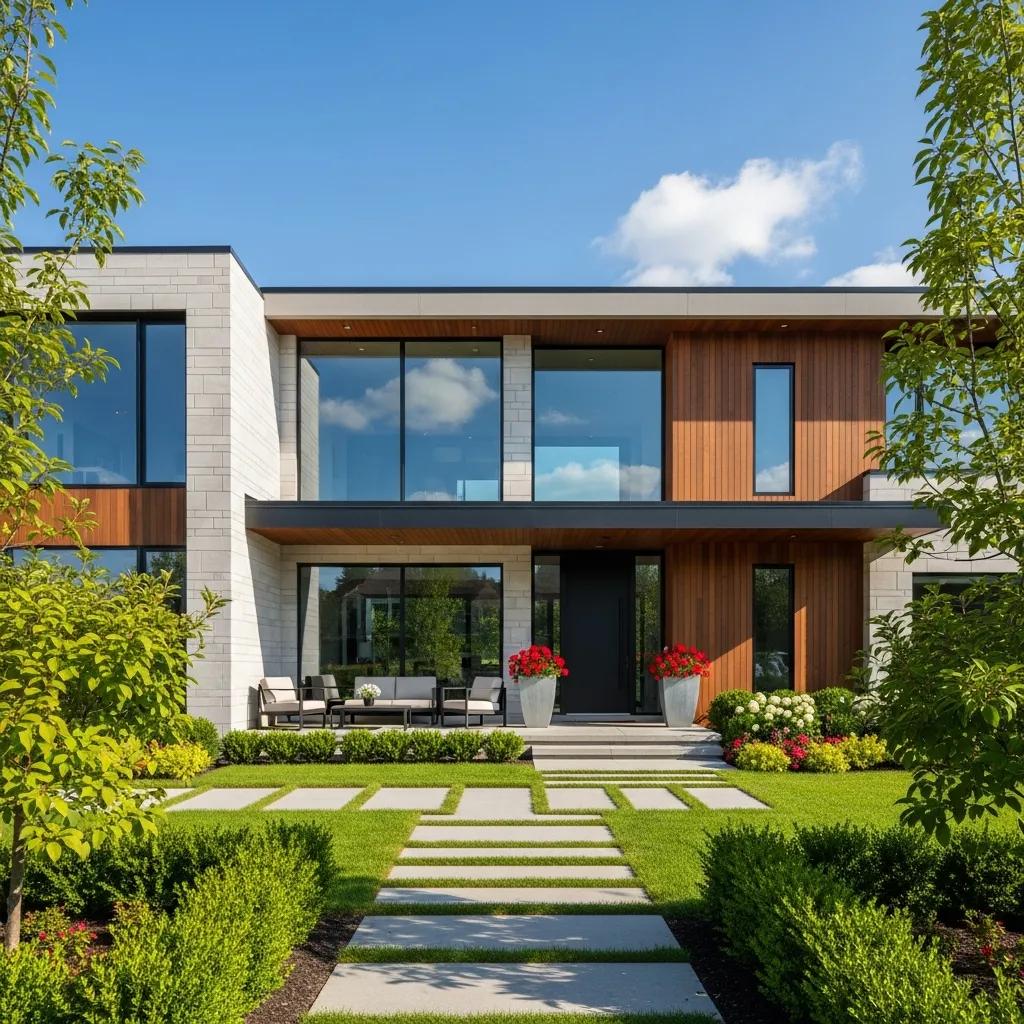
The New-Home Building Guide: Steps, Timeline, and Smart Custom-Build Tips
Building a new home is an exciting, multi-step process — from first plans to the final walkthrough. This guide walks you through what to expect: the main stages, typical timelines for Oklahoma City, and how custom choices affect your schedule and budget. Many homeowners feel unsure about construction details; a clear roadmap and a few insider tips make decisions easier and reduce stress. Below we cover each phase, local timing, permits, and how to prepare for move-in day.
What Are the Key Stages of Building a New Home?
New-home construction unfolds in distinct stages. Knowing each one helps you track progress, spot potential issues early, and keep your project on budget and on time. Here’s a straightforward view of the journey from idea to move-in.
How Does Planning and Design Shape Your Custom Home?
Planning and design lay the groundwork for a successful build. This phase brings together architects, designers, and you to turn ideas into a working plan. Key choices — layout, flow, and style — are made here, and your input matters. The more decisive you are early on, the fewer surprises later. Thoughtful planning also highlights site or code challenges so they can be resolved before construction starts.
Tackling customization decisions up front helps limit changes later and keeps the build running smoothly.
Custom Home Building: Managing Customization Strategies
There’s limited guidance on how to manage customization strategies to reduce workflow variation in housebuilding. This paper addresses that gap by proposing guidelines for different customization approaches — such as mass customization, modularization, and standardization — to reduce workflow variation.
Managing customization strategies to reduce workflow variations in house building projects, CG da Rocha, 2016
What Happens During Site Preparation, Foundation, and Framing?
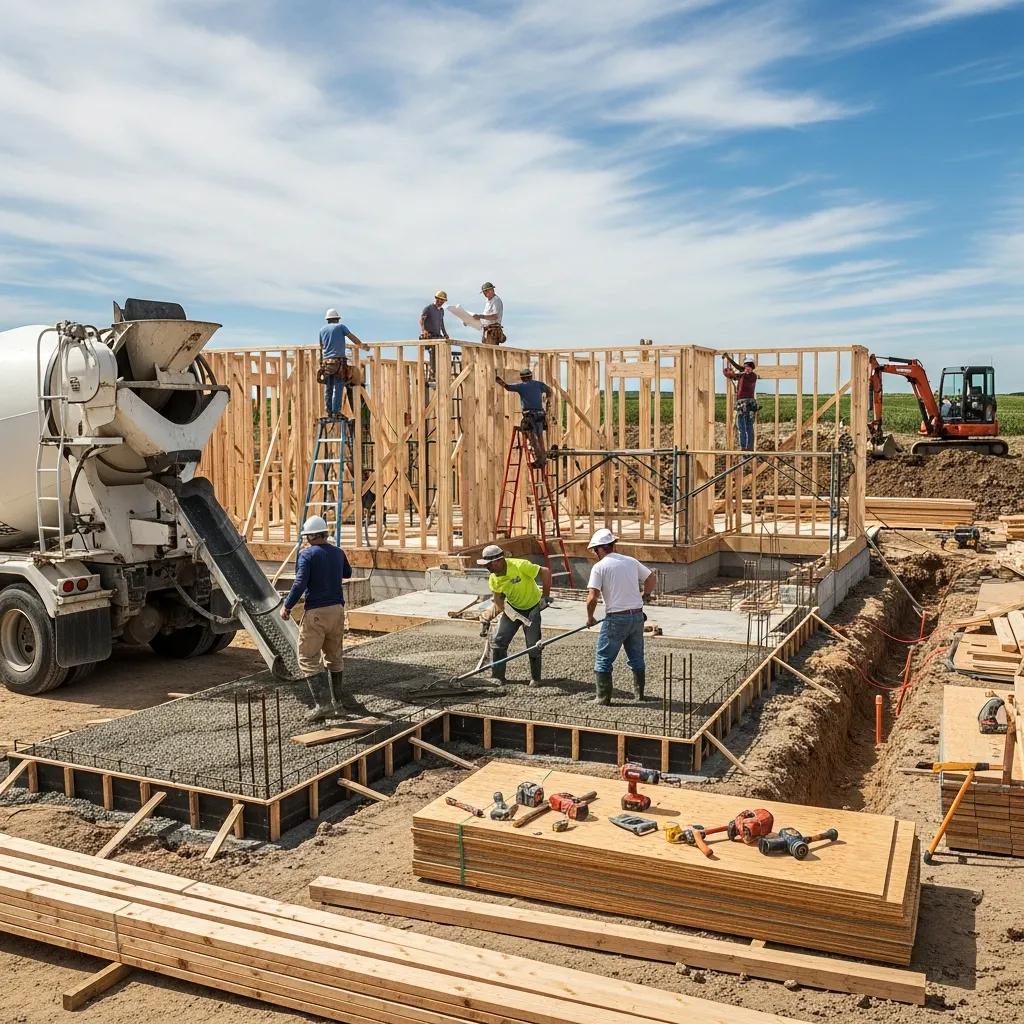
After plans are finalized, crews start with site work: clearing, grading, and setting up proper drainage. Next comes the foundation — slab, crawl space, or basement — chosen for the site and design. Once the foundation cures, framing builds the home’s structural skeleton: walls, floors, and roof. Framing is a major milestone because it defines the home’s shape and structural stability.
With the primary structure up, it’s helpful to consider how long the whole process typically takes in Oklahoma City.
How Long Does the New Home Construction Process Take in Oklahoma City?
Timelines vary by design, site conditions, and material availability. In Oklahoma City, most single-family custom homes take roughly 7 to 12 months from breaking ground to move-in, though simpler plans and fast permits can shorten that window.
Local studies also examine how different housing types use land and energy — useful context when planning a build in OKC.
Oklahoma City Residential Construction & Land Use Insights
This study examines energy and land consumption for low-rise residential types in Oklahoma City. Using spatial analysis (QGIS) and energy modeling (Rhinoceros 3D and Pollination), the authors modeled five common low-rise communities to estimate urban space and site energy needs. The work, from faculty and graduate researchers at the Gibbs College of Architecture, University of Oklahoma, aims to inform guidelines for infill low-rise housing in OKC’s urban core.
Land Use and Energy Demand of Low-Rise Residential Neighborhoods in Oklahoma City,
USA, F Cianfarani, 2023
What Factors Influence the Home Building Timeline?
- Design complexity — more detailed plans take longer to plan and build.
- Material availability — lead times for specialty items can cause delays.
- Labor market conditions — skilled crews determine how fast work moves.
- Weather impacts — heavy rain or extreme temperatures can pause outdoor work.
How Does ACME Construction Manage Construction Schedules Efficiently?
ACME Construction uses practical project-management methods and clear communication to keep schedules predictable. We combine realistic timelines, routine updates, and proactive coordination with suppliers so issues get solved before they slow the job. Local experience helps us plan around seasonal weather and permit timelines in Oklahoma City.
Now that you understand timing, let’s walk through the essential steps of a custom build.
What Are the Essential Steps in the Custom Home Building Process?
A custom home follows a reliable sequence of steps. Each phase ensures systems are installed in the right order and quality checks happen at the right time so the final home performs well and looks great.
How Do Mechanical Systems, Insulation, and Exterior Finishes Come Together?
Once framing is complete, trades install mechanical systems: plumbing, electrical, and HVAC. Insulation and air-sealing follow to lock in comfort and efficiency. Then exterior finishes — siding, brick, and roofing — protect the house from weather. Coordinating these steps prevents rework and keeps inspections on schedule.
What Should You Know About Interior Finishes and Fixtures?
After the exterior is weather-tight, interior finishes take shape: drywall, paint, cabinets, flooring, and lighting. These choices set the tone and function of every room, so balance style with durability. Working with designers or reviewing finish schedules with your builder helps ensure selections arrive on time and fit the build plan.
Which Permits and Regulations Affect New Home Construction in Oklahoma City?
Your build must meet local codes and zoning rules. Understanding those requirements early avoids costly rework and permit delays. Permits confirm safety, structural integrity, and energy compliance for your new home.
What Local Building Codes and Zoning Rules Apply?
Oklahoma City enforces building codes that cover structural safety, electrical and plumbing systems, and energy efficiency. Zoning determines allowed uses and can affect setbacks, height, and lot coverage. Before finalizing designs, check zoning rules for your lot so your plans meet local requirements.
Following code and zoning requirements is essential — research continues into how compliance affects construction outcomes.
Residential Building Code Compliance & Regulations
Research on residential building-code compliance looks at code support from utilities and government, and how variations in compliance affect program results. Understanding these factors helps evaluate the performance of utility and new-construction programs in the residential sector.
Residential building code compliance: Implications for evaluating the performance of utility residential new construction programs, 1996
How to Navigate the Permit Application Process in OKC?
Permit steps usually include submitting detailed plans and specifications to the local building department and passing staged inspections. Working with an experienced contractor or architect makes the process smoother — they can prepare permit-ready drawings and handle common questions from plan reviewers.
Once permits are in hand, the build moves into the final phases: inspections, touch-ups, and preparations for move-in day.
How to Prepare for Final Walkthrough, Inspections, and Move-In?
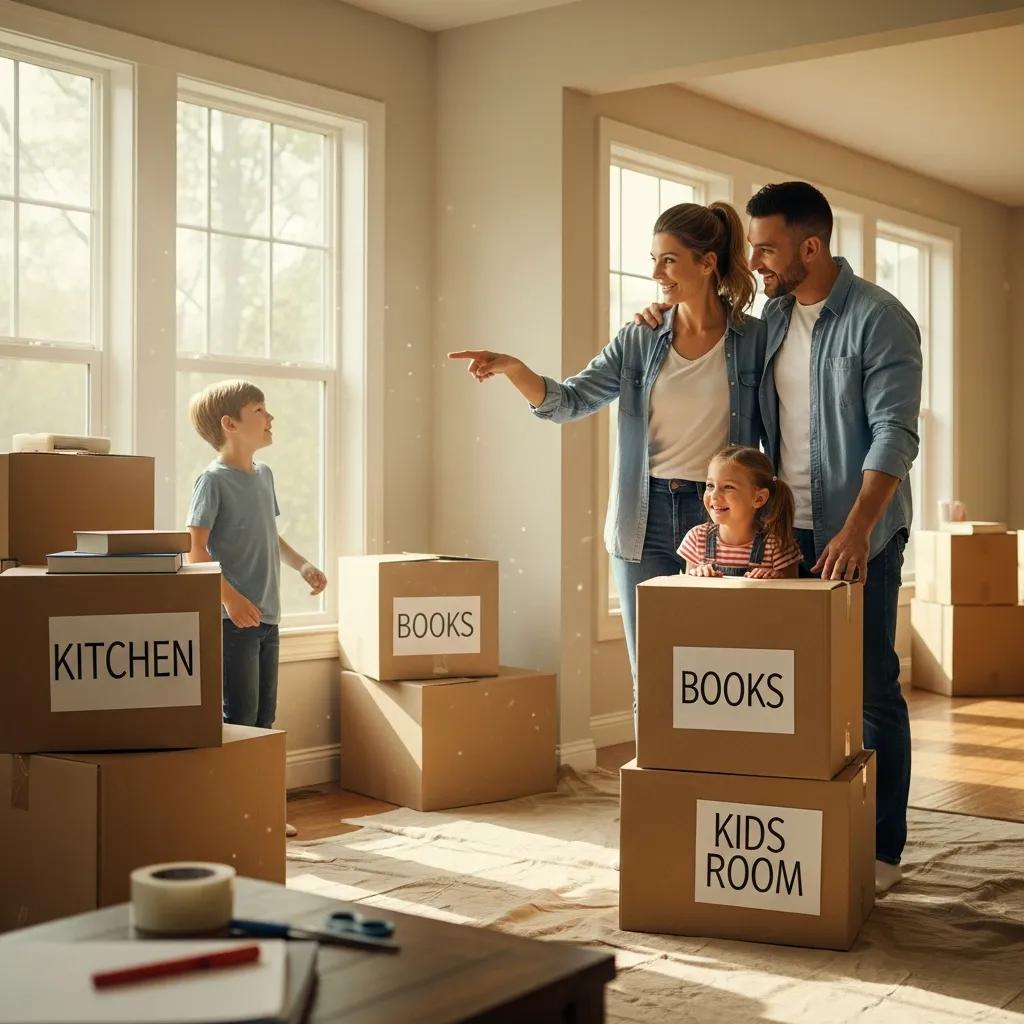
The last stretch focuses on inspections and finishing details. A careful walkthrough and completed punch list ensure the home is ready for occupancy and that any remaining items are scheduled for resolution.
What Are the Final Inspection and Certificate of Occupancy Requirements?
Before you move in, the home must pass final inspections for electrical, plumbing, mechanical, and structure. After the inspector signs off, the city issues a Certificate of Occupancy — the official clearance that allows legal occupancy. Plan for this step when scheduling your move.
How Does ACME Construction Support Warranty and Post-Construction Services?
ACME Construction stands behind our work with warranty support and post-construction service. After move-in, we remain available to address warranty items and help you settle in. Our goal is a smooth handoff and a relationship you can rely on long after keys are delivered.
| Stage | Description | Duration |
|---|---|---|
| Planning and Design | Work with architects and designers to finalize plans | 1-3 months |
| Site Preparation | Clear the lot, grade, and set drainage | 2-4 weeks |
| Foundation | Pour and cure foundation (slab, crawlspace, or basement) | 2-4 weeks |
| Framing | Build the structural skeleton of the house | 1-2 months |
| Mechanical Systems | Install plumbing, electrical, and HVAC systems | 1-2 months |
| Interior Finishes | Install cabinets, flooring, paint, and fixtures | 2-3 months |
| Final Inspections | Complete punch list and obtain occupancy | 2-4 weeks |
This table lays out typical stages and timeframes so you can plan realistically and set expectations for your new-home project.
Frequently Asked Questions
What should I consider when choosing a location for my new home?
Pick a location that fits your daily life: commute time, nearby schools, and access to groceries and healthcare. Look at neighborhood safety, long-term development plans, and whether the lot has challenging topography or sits in a flood zone. Zoning rules can also limit design choices, so check those before you buy.
How can I ensure my custom home stays within budget?
Start with a clear budget that includes permits, finishes, and a contingency for surprises. Lock in major decisions early, prioritize where you want to invest, and work with your builder to identify savings that don’t sacrifice quality. Regular budget reviews during construction keep you in control.
What are the benefits of hiring a general contractor for my home build?
A general contractor coordinates trades, manages schedules, and handles permitting and inspections — saving you time and stress. They also negotiate with suppliers and oversee quality control so the project runs more smoothly from start to finish.
How do I handle changes or modifications during construction?
Changes are normal, but they can affect schedule and cost. Tell your builder as soon as possible, get change orders in writing, and review the impact on timing and budget before approving work. That keeps expectations aligned and reduces disputes.
What should I expect during the final walkthrough of my new home?
During the final walkthrough, inspect every area for unfinished work, defects, or items that need adjustment. Test systems — plumbing, lights, heating and cooling — and make a written punch list with your builder so issues are tracked and resolved before you move in.
What are common post-construction issues I should be aware of?
Watch for minor settling cracks, small finish defects, or plumbing and HVAC tweaks in the months after move-in. Report issues promptly; many builders cover specific defects under warranty for a set period. Regular maintenance and quick reporting help prevent small problems from getting worse.