
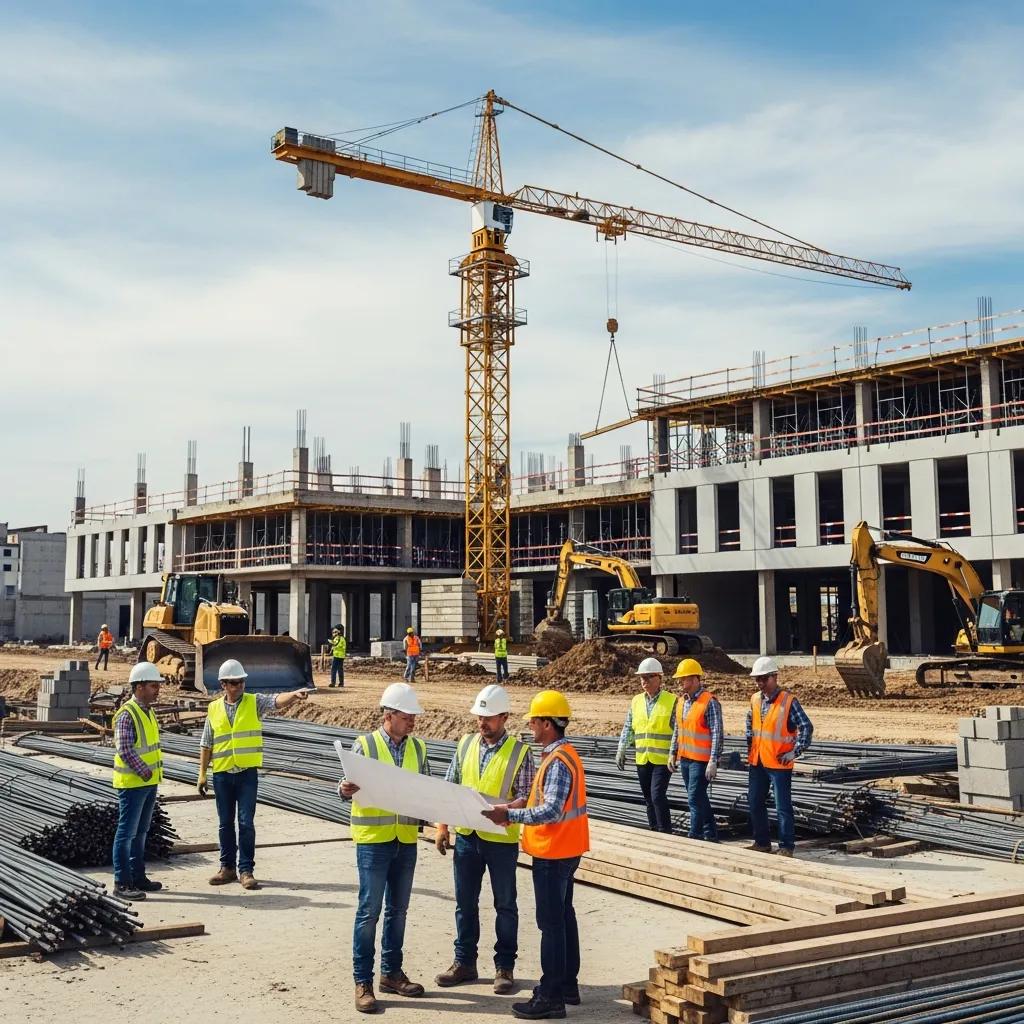
Commercial Construction Project Management: Practical Strategies to Deliver Projects on Time and on Budget
Commercial building work succeeds when planning, budgeting, scheduling, risk control, quality checks, and safety are all handled with intention. This article walks through those key phases and offers practical, field‑tested guidance to help project teams improve outcomes from kick‑off to closeout.
Most problems on commercial jobs come from gaps in planning or oversight. With the right processes and attention up front, you can avoid costly delays and rework. Below we break each phase down with clear, usable tips you can apply on your next project.
What Are the Key Phases of Commercial Building Project Management?
A commercial project typically moves through three core phases: planning and feasibility, design and pre‑construction, and construction execution. Each step has distinct goals and deliverables that shape cost, schedule, and quality for the whole job.
How Does Planning and Feasibility Shape Project Success?
Planning and feasibility set the project’s foundation. This stage includes site reviews, zoning checks, and financial modeling to confirm the project is realistic. A thorough feasibility study surfaces constraints and cost drivers early so you can make informed decisions before construction begins.
What Happens During Design and Pre-Construction?
Design and pre‑construction turn concepts into buildable plans: architectural drawings, engineering details, and detailed cost estimates. Close collaboration between architects, engineers, and owners keeps the design aligned with budget and schedule. Accurate estimates here reduce surprises once field work starts.
How Can Effective Budget Control Optimize Commercial Construction Projects?
Tight budget control keeps a project viable from start to finish. That means clear cost baselines, routine financial checks, and tools to monitor spending so you can react fast when numbers start to drift. This is where project management software can play a crucial role.
What Strategies Ensure Accurate Budgeting and Cost Management?
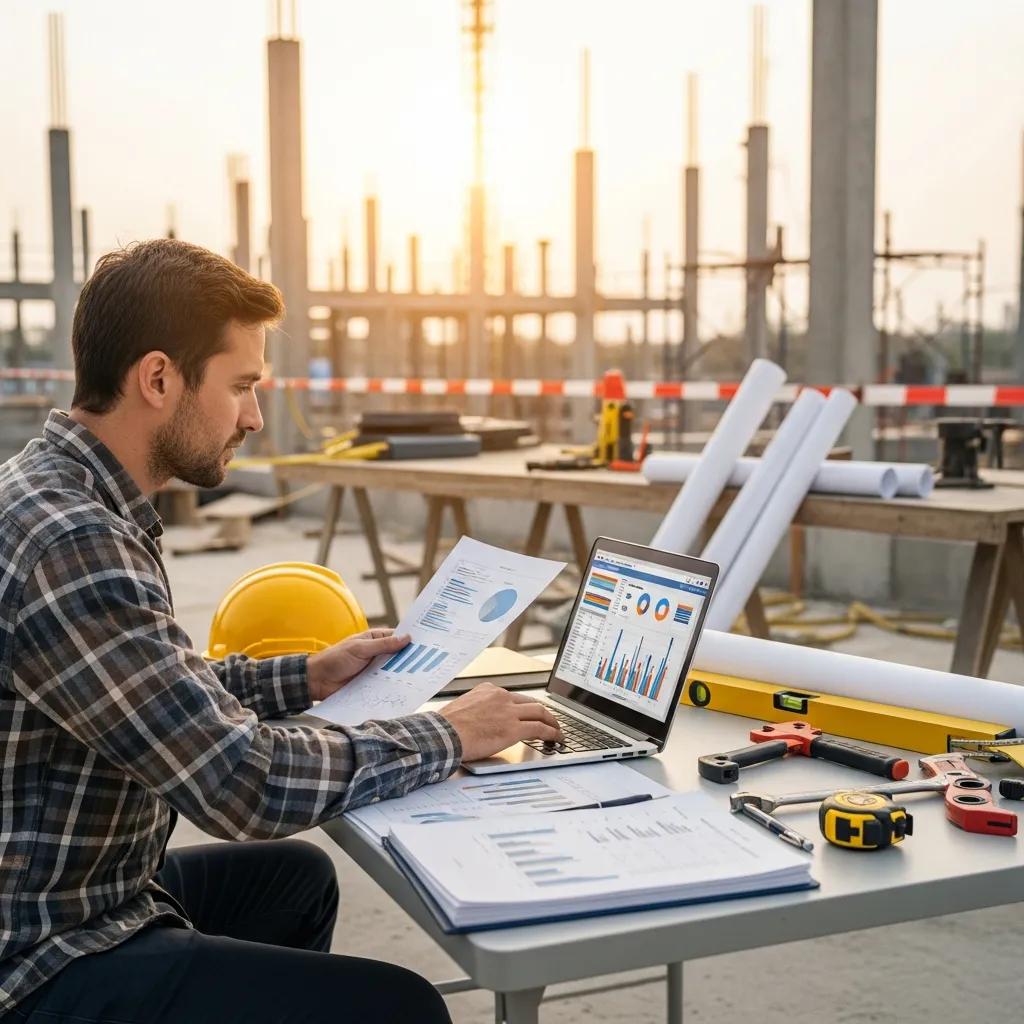
Use budget tracking software, keep regular financial reviews on the calendar, and set up early warning indicators for cost variances. Those steps make it easier to spot issues and adjust before they become major overruns.
How Does Value Engineering Reduce Costs Without Sacrificing Quality?
Value engineering focuses on delivering required functions at lower cost—often by choosing alternative materials or methods that meet performance needs without higher price tags. Well-executed value engineering commonly trims budgets by about 10–15% while preserving quality and design intent and make a business website.
What Are Best Practices for Risk Mitigation in Commercial Building Projects?
Risk mitigation is about identifying potential problems early and having plans to address them. Proactive risk management reduces surprises, limits delays, and protects the project budget.
How to Identify and Assess Risks Early in the Project Lifecycle?
Run a structured risk assessment during planning that looks at financial, schedule, regulatory, and site risks. Track warning signs—like schedule conflicts or vendor issues—and document mitigation steps in a living risk register that the whole team can access.
What Contingency Planning Measures Minimize Construction Delays and Overruns?
Build contingencies into your schedule and budget, identify backup suppliers, and prepare clear change‑order procedures. Those measures help the team respond quickly to supply chain problems, weather delays, or scope changes so progress keeps moving.
How to Optimize Scheduling and Timelines for Commercial Construction?
Good scheduling keeps trades coordinated and milestones visible. It reduces friction on site and helps stakeholders know where the project stands at any moment.
What Scheduling Techniques Improve Project Efficiency?
Use the Critical Path Method to identify schedule drivers and focus resources where they matter most. Visual tools like Gantt charts make dependencies and progress easy to follow, so teams can adapt when tasks slip.
How Does Proactive Timeline Management Enhance Stakeholder Communication?
Provide regular, concise progress updates and call out risks early. Project management platforms that offer real‑time access to schedules and documents make it simpler for owners, subs, and designers to stay aligned and act quickly when changes arise.
How to Ensure Quality Assurance and Safety in Commercial Building Projects?
Quality and safety go hand in hand: consistent inspections, clear standards, and strong safety practices protect workers and the owner’s investment.
What Quality Control Standards Are Essential for Commercial Construction?
Set measurable quality criteria for materials and workmanship, perform scheduled inspections, and document test results. Catching deviations early keeps rework minimal and final results make your website client expectations.
How to Implement Effective Safety Protocols on Construction Sites?
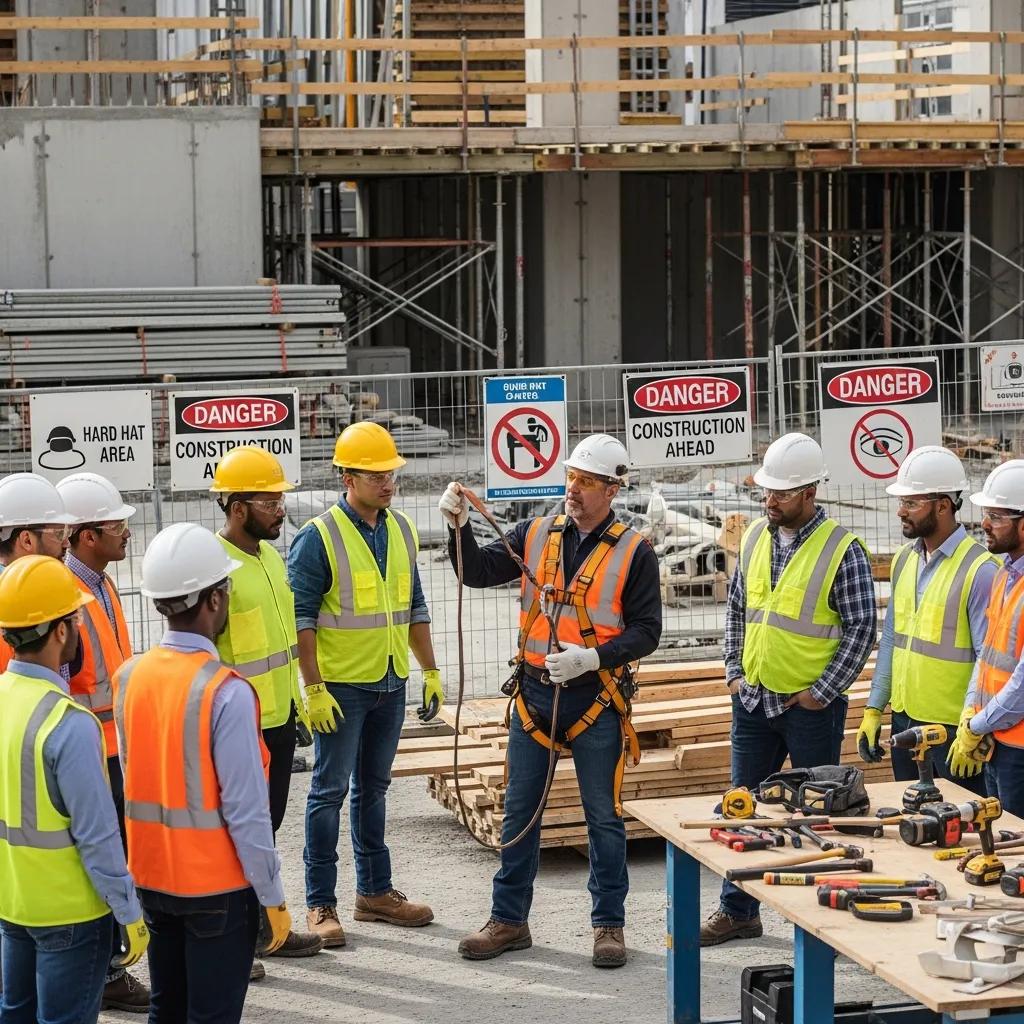
Run regular safety trainings, enforce PPE use, and maintain emergency procedures and audits. Consistent safety leadership reduces incidents and keeps crews productive.
Why Choose a Local General Contractor for Managing Commercial Projects in Oklahoma City?
Local contractors bring knowledge of regional codes, permit processes, and market conditions—advantages that smooth approvals and reduce surprises during delivery.
What Unique Expertise Does ACME Construction Bring to Oklahoma City Projects?
ACME Construction, headquartered in Oklahoma City, handles both commercial and residential work and offers services including concrete contracting, masonry, welding, painting, metal framing, and drywall. Our local experience helps projects navigate city rules and on-the-ground realities more efficiently and project management tool s.
How Do Local Regulations and Market Trends Impact Project Management?
Zoning, building codes, and regional supply dynamics shape timelines and costs. Working with a contractor familiar with Oklahoma City conditions reduces surprises and supports better, faster decisions throughout the project.
Frequently Asked Questions
What are the common challenges faced in commercial construction project management?
Typical challenges include budget overruns, scheduling slips, and regulatory compliance. Poor communication or planning makes these problems worse. Anticipating risks and maintaining clear communication across the team are the best defenses.
How can technology improve project management in commercial construction?
Project platforms, BIM, and mobile apps centralize information, improve coordination, and reduce errors. They let teams share updates, track changes, and resolve issues faster—especially on larger or more complex jobs.
What role does stakeholder engagement play in project success?
Active stakeholder engagement builds alignment and trust. Regular check‑ins and feedback loops help resolve concerns early, keep expectations realistic, and speed approvals when decisions are needed.
How can sustainability be integrated into commercial construction projects?
Integrate sustainability by specifying efficient systems, choosing low‑impact materials, and reducing waste on site. These choices lower operating costs over time and make projects more attractive to owners and tenants.
What are the benefits of using a general contractor for commercial projects?
A general contractor coordinates trades, manages schedules and budgets, and handles permits and safety. That single point of responsibility simplifies execution and helps deliver the project on time and within scope.
How can post-construction evaluations improve future projects?
Post‑construction reviews capture lessons learned on budget, schedule, quality, and team performance. Use those findings to refine processes and reduce risk on the next project—continuous improvement pays off.