
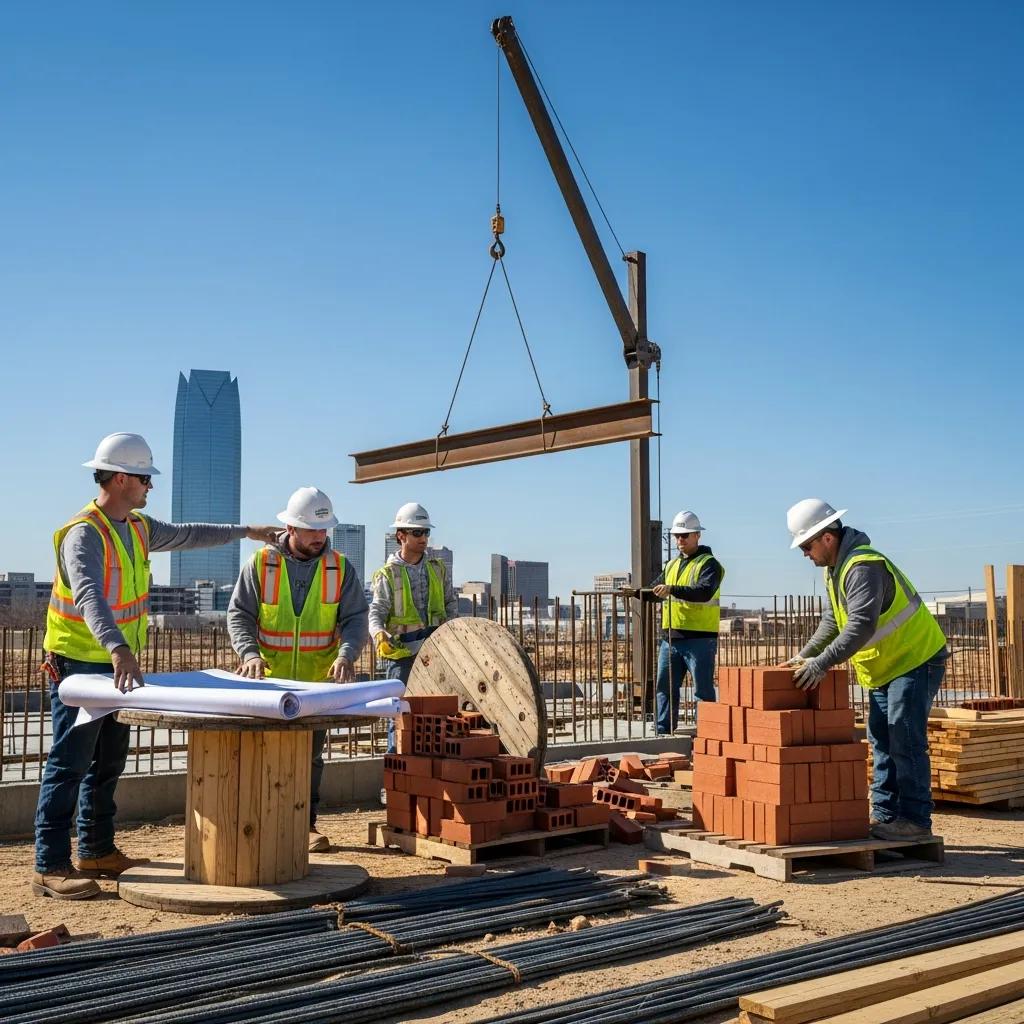
Complete Construction Glossary — Key Terms for Oklahoma City Projects
Construction language can feel like a different world if you’re not in the trade. Whether you’re a homeowner planning a remodel or a business owner managing a build, knowing the right terms makes conversations with contractors faster, clearer, and less stressful. This glossary collects the core words you’ll see on Oklahoma City projects — from basic roles and materials to process steps and safety jargon. Learn these terms and you’ll avoid misunderstandings, save time, and keep your project on track. We’ll cover project basics, common materials, key roles, phases of work, and local details that matter here in OKC.
Organizing construction terms with a clear system helps teams share information and avoid costly mix-ups — a point reinforced by industry research.
Terminology Project Management: A Guide for Construction Glossaries
Abstract: This paper draws on hands‑on experience organizing terminology projects and links that practice to project management ideas. It’s meant as a practical guide for people who create and manage glossaries — explaining what terminology projects look like, how they differ from other projects, and a possible model for their phases and priorities.
Terminology project management, 2005
What Are the Essential Construction Terms Every Homeowner and Business Should Know?
Construction vocabulary covers a lot of ground. Knowing the basics improves communication between you and the team on site, so expectations, costs, and schedules are easier to manage. Below are the core terms most often used in everyday project conversations.
Which Common Construction Vocabulary Terms Define Project Basics?
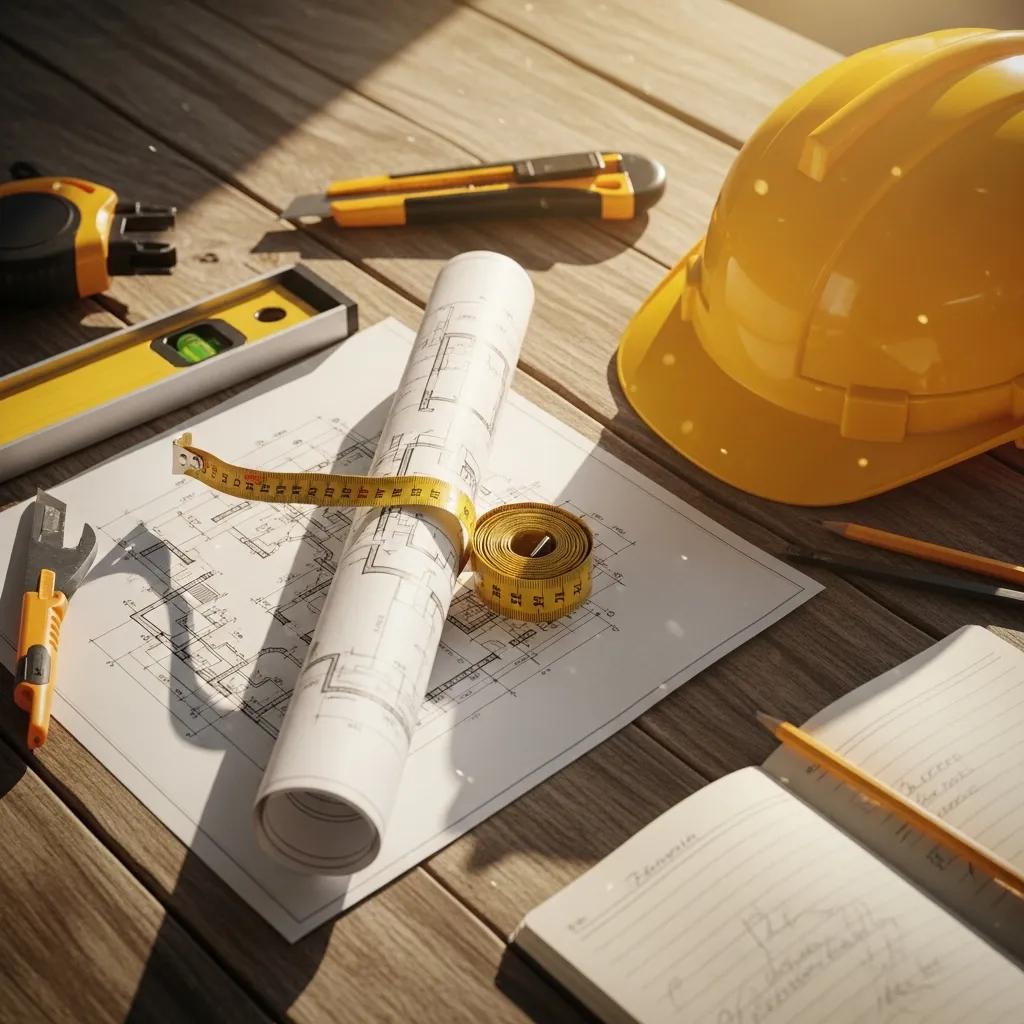
- Contractor: The professional who runs the job — hires and manages subcontractors, schedules work, and is responsible for delivering the project.
- Estimate: A breakdown of expected costs for labor, materials, and overhead — used to set a project budget before work starts.
- Blueprint: The detailed architectural drawings and specifications builders follow to construct the project.
These foundation terms keep everyone aligned during planning and execution.
How Do Building Terminology Definitions Help in Understanding Construction Processes?
Clear terminology reduces confusion between clients, contractors, and inspectors. When everyone uses the same words for scope, schedule, and materials, decisions are faster and disputes are rarer. Knowing construction terms also helps you ask better questions, review bids more critically, and spot issues early — all of which keep projects moving smoothly.
A consistent glossary for project management terms makes teamwork easier and improves collaboration across trades and disciplines.
Construction Project Management Terminology Guide
While this book leans on building terminology rather than civil engineering, its organizational ideas apply across both fields — useful when coordinating multi‑discipline teams.
Project management in construction, 2015
How Does ACME Construction Define Key Materials and Building Components?
ACME Construction, a general contractor based in Oklahoma City, performs concrete and masonry work among other services. Below are common material terms you’re likely to hear when planning or inspecting a job.
What Are the Most Used Concrete and Masonry Terms in Oklahoma City Construction?
- Reinforcement: Steel bars or mesh placed inside concrete to increase strength and load capacity.
- Mortar: The cement‑and‑sand mix used to bond bricks or stone in masonry work.
- Slump Test: A quick field check of concrete consistency to confirm workability and mix quality.
These terms describe the materials and tests that ensure structures perform as intended.
Which Structural Components and Metal Framing Terms Are Critical for Project Success?
- Beam: A horizontal member that carries loads and transfers them to supports.
- Column: A vertical post that supports beams and helps keep the structure upright.
- Truss: A triangulated frame used to span distances (commonly in roofs), distributing loads efficiently.
Knowing these pieces helps you understand structural drawings and on‑site conversations about stability and load paths.
What Roles and Contract Terms Should Clients Understand in Residential and Commercial Construction?
Recognizing each team member’s responsibilities and the common contract types helps you set expectations and choose the right agreement for your project.
Research into project roles highlights why clear task definitions are essential for smooth delivery and accountability.
Construction Project Terminology & Management Definitions
The study explains how terminology can clarify participants’ responsibilities in construction management, even though terminology science hasn’t always been used to define those roles.
Roles in construction projects: analysis and terminology, W Hughes, 2001
Who Are the Key People in Construction Projects and What Are Their Responsibilities?
- General Contractor: Manages the whole build — coordinates trades, oversees schedule and quality, and acts as the client’s primary contact.
- Architect: Creates the design, drawings, and specifications that guide construction and approvals.
- Engineer: Verifies structural systems, ensures code compliance, and provides technical calculations and details.
Knowing who does what helps you direct questions and track accountability during the job.
What Contract Types and Bidding Terms Are Common in the Construction Industry?
- Fixed-Price Contract: A set total cost agreed before work starts — gives price certainty for the client.
- Cost-Plus Contract: The client pays actual costs plus an agreed fee or percentage for contractor overhead and profit.
- Bid: A contractor’s written proposal listing costs and conditions to complete the work.
Understanding contract types helps you match the agreement to your tolerance for risk and change.
Which Construction Processes and Project Phases Are Important to Know?
Construction typically moves through predictable phases — knowing them helps you follow progress and plan for approvals, payments, and inspections.
What Are the Main Phases of a Construction Project from Planning to Completion?
- Planning: Define goals, set a budget, finalize design, and get permits.
- Execution: Actual construction: site work, framing, systems, and finishes.
- Completion: Final inspections, punchlist items, and handover when the project meets specifications.
Each phase has different decisions, costs, and review points — being aware of them keeps surprises to a minimum.
How Do Site Preparation and Safety Terms Impact Project Management?
- Site Survey: A land assessment covering topography and soil, used to plan foundations and drainage.
- Safety Protocols: Required practices and PPE that protect crews and keep work compliant with regulations.
- Hazard Assessment: Identifying jobsite risks and putting controls in place to reduce them.
Proper site prep and safety planning reduce delays, change orders, and liability.
How Are Equipment, Tools, and Safety Terms Defined in Construction?
Right tools and clear safety language keep work efficient and protect your team and property.
What Are Common Construction Equipment and Tool Terms Used on Job Sites?
- Excavator: Heavy machinery used to dig foundations, trenches, or move large volumes of earth.
- Scaffolding: Temporary platforms that give workers safe access to higher areas.
- Power Tools: Electrically or battery‑powered tools that speed up tasks and improve precision.
Knowing equipment terms helps with scheduling deliveries, site setup, and safety planning.
Which Safety Terminology Ensures Compliance and Worker Protection?

- Personal Protective Equipment (PPE): Helmets, gloves, eye protection, and other gear that reduce risk on site.
- Safety Data Sheet (SDS): Documents that list hazards and safe handling for chemicals used on site.
- Incident Report: A record of accidents or near‑misses used to investigate causes and prevent repeats.
Clear safety documentation protects workers, clients, and the project timeline.
Why Is Understanding Local Oklahoma City Construction Terminology Important?
Local terms and practices matter — they reflect regional soils, codes, and common materials. Being familiar with local conventions avoids surprises and speeds approvals.
How Do Regional Building Codes and Practices Influence Construction Terms?
- Compliance: Meeting local codes and inspections so work is legal and insurable.
- Design: Adjusting plans for local climate, soils, and code requirements.
- Permitting: The city and county processes to secure approvals before work begins.
Working with local professionals familiar with OKC rules reduces back‑and‑forth with permitting authorities.
What Are Examples of Oklahoma City-Specific Materials and Techniques?
- Red Dirt: The clay‑rich soil common around Oklahoma — it affects drainage and foundation preparation.
- Brick and Stone: Frequently used for durability and aesthetic fit with local neighborhoods.
- Metal Framing: Common in commercial builds for speed, strength, and fire resistance.
Matching materials and methods to local conditions improves long‑term performance.
Frequently Asked Questions
What are the benefits of using a construction glossary?
A glossary gives everyone the same language to describe scope, materials, and schedules. That shared vocabulary reduces misunderstandings, speeds decisions, and keeps expectations aligned between homeowners, business owners, and contractors. It’s a simple tool that prevents costly surprises during a build.
How can I effectively communicate with my contractor?
Start by learning a few key terms related to your project. Be upfront about your budget and timeline, and ask for written estimates and schedules. Regular check‑ins — weekly or at major milestones — help catch issues early. If a term or detail is unclear, ask for a plain‑language explanation. Good communication is direct, frequent, and documented.
What should I consider when selecting a contractor?
Check experience with projects like yours, read client references, and confirm licenses and insurance. Ask how they handle change orders, schedules, and subcontractors. A reliable contractor will be transparent about costs, timelines, and potential challenges and will provide clear references you can contact.
How do I ensure compliance with local building codes?
Work with a contractor and design team who know Oklahoma City codes and the permitting process. Start permit applications early and include all required documents. Schedule inspections at the correct stages and keep copies of approvals on file. If you’re unsure, contact local building authorities or your contractor’s permit specialist for guidance.
What role does safety play in construction projects?
Safety protects people and keeps work moving without costly stops. Enforce PPE, run regular safety briefings, and document hazard assessments and incident reports. A strong safety culture lowers accident rates, reduces insurance exposure, and helps projects finish on time.
What are the common challenges in construction project management?
Typical issues include cost overruns, schedule delays, and communication gaps. Weather, supply chain issues, and unexpected site conditions also cause problems. Mitigate these risks with thorough planning, realistic contingency budgets, regular updates, and an experienced team that communicates openly about changes and solutions.