
Precision Custom Metal Fabrication for Unique Projects
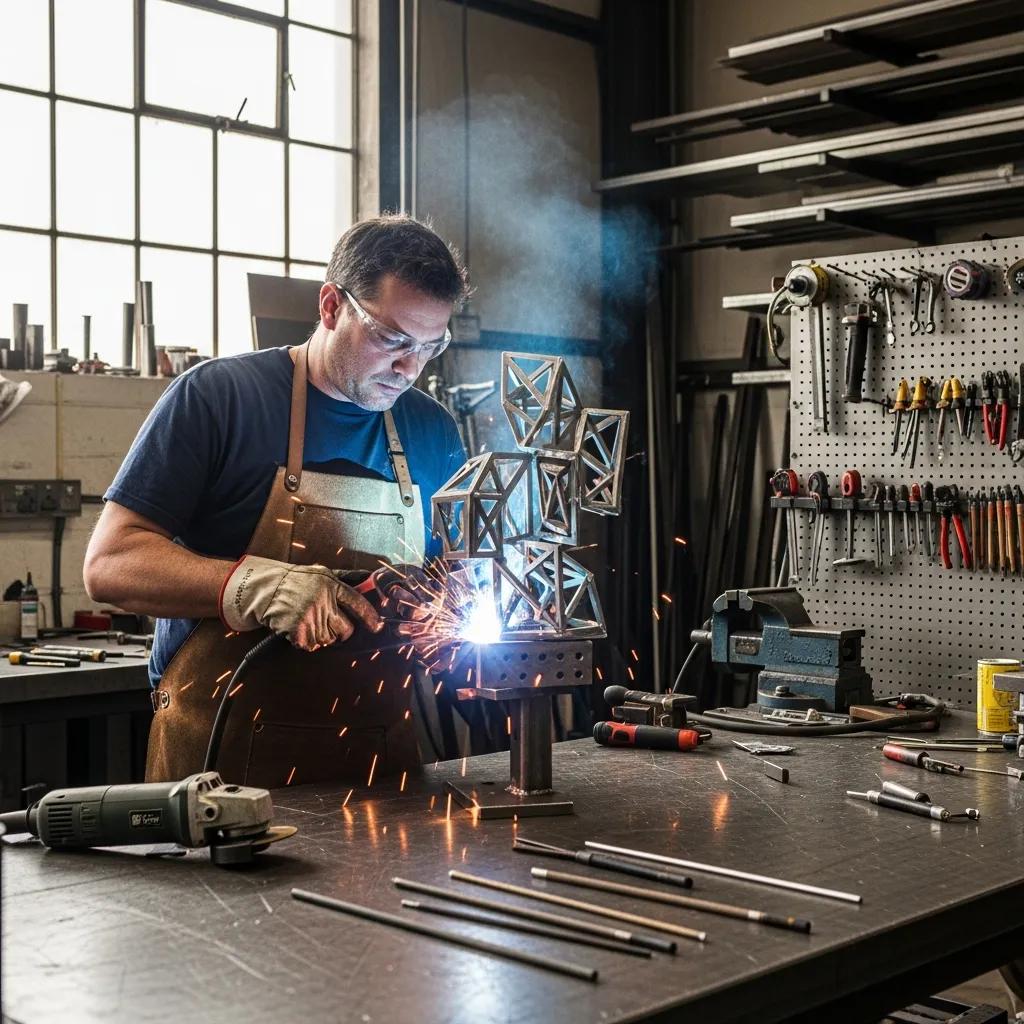
Custom, Precision Metal Fabrication — Expert Solutions for Oklahoma City Projects
Precision metal fabrication turns design ideas into durable, project-ready parts. This page walks through the primary processes, common materials, and practical applications of custom metalwork—focused on how those capabilities serve projects here in Oklahoma City. You’ll read clear explanations of cutting, bending and welding methods, and learn how each step affects fit, finish and performance. By the time you finish, you’ll understand how precision fabrication can solve the specific needs of your job.
What are the core processes in precision custom metal fabrication?
Precision fabrication combines repeatable processes to produce accurate, fit-for-purpose components. The main steps are advanced cutting, controlled bending/forming and expert welding. Each stage contributes to final tolerances, strength and appearance, so choosing the right method up front makes a big difference in outcome and cost.
How do advanced metal cutting techniques enhance precision?
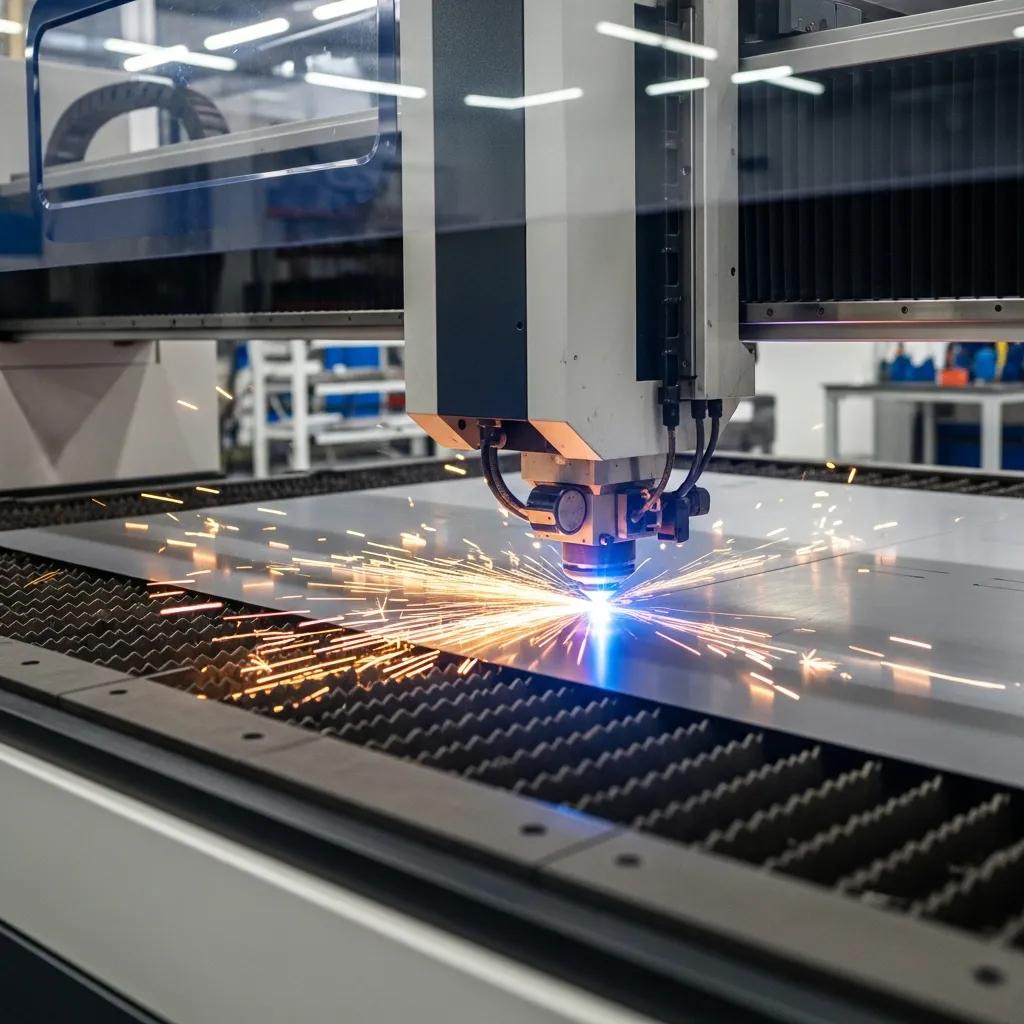
Modern cutting methods — like laser and waterjet — give you precise edges and tight tolerances. Laser cutting uses a focused beam for clean, intricate profiles. Waterjet cuts with high-pressure water and abrasives, so there’s no heat-affected zone and parts won’t warp. For complex shapes or assemblies that must match exactly, these techniques help deliver consistent, ready-to-install components.
Research into digital and 2D cutting methods highlights how accurate cutting is essential to move a design from concept to full-scale production without losing detail.
Advanced Digital Fabrication & 2D Cutting Techniques
These case studies examine how two-dimensional cutting strategies support the transition from design to one-to-one fabrication, demonstrated through projects such as the Sioux City bus stops. The focus is on methodical approaches to cutting that preserve design intent in physical production.
Pop-tech-flat-fab, 2008
What are the benefits of precision metal bending and forming?
Controlled bending and forming—using press brakes, roll benders and similar equipment—produce repeatable shapes that fit assemblies without extra tweaking. Benefits include stronger joints, cleaner aesthetics and parts that slot into larger systems with minimal adjustment. For custom builds, precise forming reduces on-site rework and speeds installation.
Which materials are best for custom metal fabrication projects?
Material choice drives performance and cost. Different metals suit different uses, so selecting the right alloy and finish matters for strength, corrosion resistance and weight. Below is a quick comparison to guide decisions for common project types.
| Material | Advantages | Applications |
|---|---|---|
| Steel | High strength; cost-efficient | Structural members, industrial frameworks |
| Aluminum | Lightweight; naturally corrosion resistant | Aerospace components, vehicle parts, consumer enclosures |
| Stainless Steel | Excellent corrosion resistance; clean finish | Kitchen equipment, medical fixtures, architectural accents |
What are the advantages of steel fabrication for unique projects?
Steel is a go-to when you need load-bearing capacity and value. It performs well under heavy loads and in demanding environments, and its wide availability helps keep schedules on track. Typical uses include structural framing, support elements and machinery bases where durability is a priority.
How does aluminum fabrication support lightweight and durable designs?
Aluminum gives you strength with less weight, which is why it’s common in transport and specialty equipment. Its corrosion resistance suits exterior use and wet environments, and it forms easily for complex profiles. When weight savings or ease of handling matter, aluminum is often the right choice.
How does expert welding contribute to custom metal fabrication quality?
Welding joins components into a single, load-bearing assembly—so weld quality directly affects strength and longevity. Skilled welders choose the right process, parameters and filler materials to match the parts and the application, producing reliable results that last under stress.
What welding techniques are used for precision metalwork?
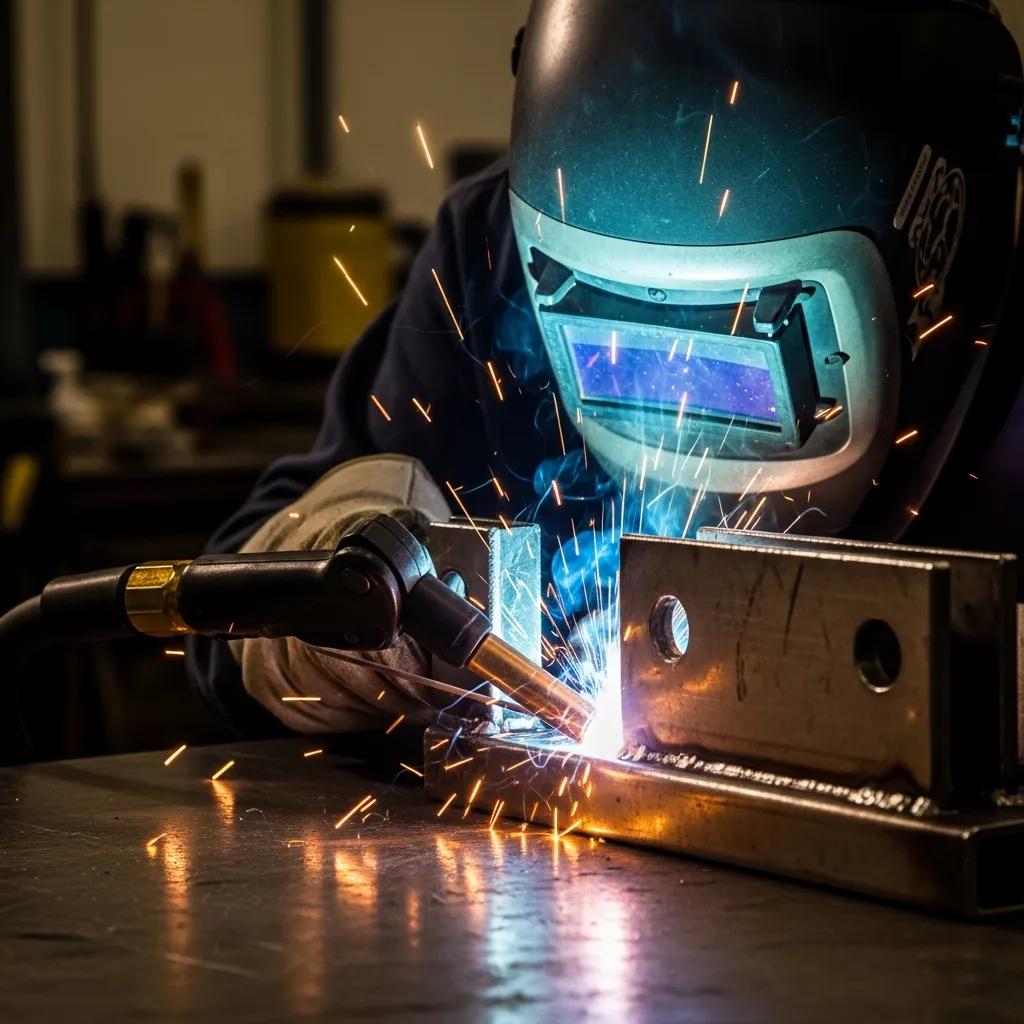
Common precision welding methods include MIG, TIG and spot welding. MIG is fast and versatile for thicker sections. TIG gives precise control for thin materials and cleaner welds. Spot welding is efficient for sheet assemblies. Each method has trade-offs in speed, finish and heat input—choosing the right one depends on the material and final use.
Studies emphasize TIG welding’s role in producing high-quality, low-contamination welds for demanding applications.
TIG Welding for High-Quality Metal Fabrication
Tungsten inert gas (TIG) welding is widely used where weld quality matters most. Compared with other arc processes, TIG often produces cleaner joints, though there are ongoing efforts to reduce spatter and refine bead quality. Proper shielding gas and parameter control protect the weld from atmospheric contamination.
The parameters and equipments used in TIG welding: A review, A Haile, 2015
How does welding ensure strength and durability in fabricated components?
Good welding creates consistent, mechanically sound joints that resist fatigue and failure. In safety-sensitive applications—construction, transport, industrial equipment—the integrity of welds is a deciding factor in performance. That’s why inspection, qualified welders and appropriate techniques are essential to long-term reliability.
What are the key applications of precision metal fabrication in Oklahoma City?
Local projects benefit from precision fabrication across sectors: architectural features, industrial machinery, commercial fixtures and bespoke equipment. Reliable local suppliers can cut lead times and coordinate installations to meet regional needs and codes.
How is architectural steel fabrication used in unique building designs?
Architectural steel lets designers mix strength with visual impact—large spans, open interiors and custom façade elements are all possible. Fabricated steel components such as decorative panels, railings and structural accents provide both support and style for distinctive buildings.
What industrial and commercial components benefit from custom fabrication?
Custom fabrication produces parts that standard components can’t match—machinery mounts, racks, conveyor supports and specialized enclosures are common examples. Tailored parts improve workflow, meet safety standards and extend equipment life in industrial and commercial settings.
Why choose ACME Construction for your precision custom metal fabrication needs?
When you need dependable metal fabrication in Oklahoma City, ACME Construction brings local experience, hands-on craftsmanship and project-focused service. We pair practical engineering with field-tested production methods to deliver parts that fit and perform.
What sets ACME Construction apart in quality and customer service?
We follow strict quality controls and employ skilled fabricators who take pride in their work. Customers tell us they value our responsiveness, clean documentation and attention to fit-and-finish. That consistency is why contractors and designers in the area rely on ACME for repeatable results.
How do our project management and sustainable practices benefit clients?
ACME manages schedules, materials and communication to keep projects on track and on budget. We also reduce waste through careful nesting, material recycling and efficient processes—saving clients money and lowering environmental impact without compromising quality.
What are common questions about precision custom metal fabrication?
Below are practical answers to the questions we hear most often from clients considering custom fabrication.
What is precision metal fabrication and why is it important?
Precision metal fabrication is the process of cutting, shaping and joining metal to strict tolerances so parts function as intended. It’s essential for industries that need reliable, repeatable components—where fit and performance affect safety and uptime.
How much does custom metal fabrication cost in Oklahoma City?
Costs depend on material choice, design complexity and quantity. Simple parts using common materials are less expensive; complex shapes, tight tolerances or specialty alloys raise the price. We recommend getting multiple quotes and discussing design-for-manufacture options to control costs while meeting performance goals.
Frequently Asked Questions
What industries benefit most from precision custom metal fabrication?
Fabrication supports aerospace, automotive, construction and manufacturing—basically anywhere custom metal parts are required. Aerospace needs lightweight, precise components; construction needs robust structural elements. Across industries, custom fabrication enables designs that off-the-shelf parts can’t provide.
How can I ensure quality in my custom metal fabrication project?
Choose a fabricator with relevant experience and certifications, provide clear drawings and tolerances, and agree on inspection points up front. Regular communication and interim reviews help catch problems early so the final product meets your expectations.
What is the typical lead time for custom metal fabrication projects?
Lead time varies with complexity, material availability and shop workload. Simple jobs may ship in weeks; detailed assemblies can take months. Early planning and confirmed material supply shorten timelines—talk to your fabricator about realistic delivery windows for your scope.
Can custom metal fabrication be used for prototyping?
Yes. Fabrication works well for functional prototypes that need to prove fit and performance. CNC machining, small-run welding and sheet forming let you test and refine designs before committing to full production.
What role does technology play in modern metal fabrication?
Technology—CNC machines, laser cutters, robotic welders and CAD/CAM software—increases accuracy and repeatability. It reduces manual errors and accelerates turnaround, enabling more complex designs to be produced reliably at scale.
How do environmental considerations impact metal fabrication?
Fabricators are adopting waste-reduction measures, recycling scrap metal and using energy-efficient equipment. These practices reduce costs and emissions and help projects meet sustainability goals while complying with local regulations.