

How to Hire a General Contractor: Practical tips to choose the right pro
Hiring the right general contractor can determine whether your project finishes on time, on budget, and without drama. Good contractors bring technical know-how, clear communication, and a track record of delivering the results you expect. This guide walks you through the essentials—what qualifications to verify, the right questions to ask, and red flags to avoid. We also highlight how ACME Construction in Oklahoma City models the qualities to look for when picking a partner for your build.
What Are the Key Qualifications to Verify When Choosing a General Contractor?
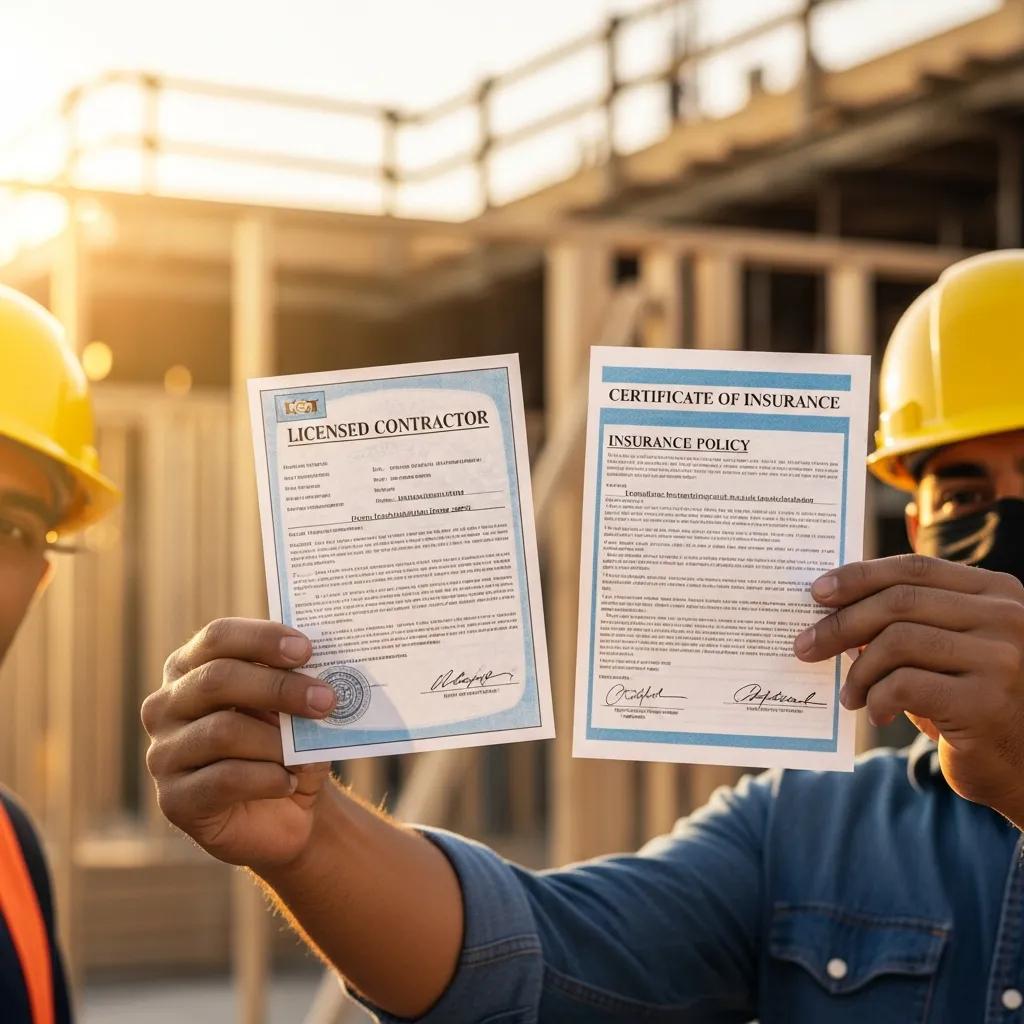
Before you sign anything, confirm a contractor’s credentials. The basics are valid licensing, adequate insurance, and relevant experience. Licenses show they meet state requirements; insurance protects you from liability; and a solid portfolio proves they can handle projects like yours. Reviewing past work and asking for verifiable references gives you a clearer sense of their reliability and craftsmanship.
Research shows careful contractor evaluation improves the chances of a successful project outcome.
Contractor Evaluation Methods & Project Outcomes
Study of evaluation methods and their effect on project outcome. The research compares results by contractor type and looks at differences between subcontractors and prime/general contractors.
Risk analysis approach to selection of contractor evaluation method, JS Russell, 1992
How Do You Verify General Contractor Licenses and Insurance in Oklahoma City?
Start with the Oklahoma Construction Industries Board to confirm a contractor’s license status. Ask the contractor for a current certificate of insurance and check that it covers general liability and workers’ compensation. If you’re unsure about coverage limits or policy dates, request contact information for their insurance agent and verify directly. Remember: licensing rules can vary by state and sometimes by city, so local verification matters.
A clear licensing framework helps the public evaluate and trust Oklahoma contractors.
Oklahoma General Contractor Licensing & Evaluation
A licensing scheme builds confidence and creates a baseline for evaluating general contractors within Oklahoma.
The Good, The Bad, And The Unqualified: The Public Interest And The Unregulated Practice Of General Contracting In Oklahoma, 1993
What Experience and Portfolio Should You Look for in a Contractor?
Look for projects that match your scope and complexity. A portfolio should show finished work that speaks to quality and attention to detail. Ask how long the company has been in business and which projects best demonstrate the team’s strengths. Contractors with consistent, relevant experience are more likely to anticipate problems and deliver what they promise.
Which Questions Should You Ask a General Contractor Before Hiring?
The interview is your opportunity to see how the contractor communicates and manages projects. Ask about scheduling, subcontractor selection, and how they track progress and budget. Clear, direct answers here are a good indicator of a smooth working relationship.
What Are the Most Important Interview Questions to Assess Communication and Transparency?
Use these to evaluate communication:
- What is your preferred method of communication? Establish how you’ll get updates and raise concerns.
- How often will you provide project updates? Set expectations for frequency and format of progress reports.
- How do you handle conflicts or issues that arise during the project? Ask for examples of past problems and how they were resolved.
How Can You Evaluate a Contractor’s Project Management Approach?
Ask about the tools and processes they use: project management software, scheduling methods, and how they coordinate subcontractors. Find out who will be your main point of contact and how change orders are handled. A contractor with structured processes is easier to work with and less likely to surprise you mid-project.
How Do You Check References and Reviews to Confirm Contractor Reliability?
References and online reviews give real-world insight into a contractor’s performance. Look for specific examples of how the team communicated, managed timelines, and handled unexpected issues.
What Are Signs of a Good General Contractor from Client Testimonials?
Strong testimonials repeat common themes: clear communication, quality workmanship, and on-time completion. Pay attention to comments about responsiveness and how the contractor handled problems. Multiple detailed, positive accounts are a reliable signal of consistent performance.
How Can Online Reviews Influence Your Contractor Selection?
Online reviews—on platforms like Google and Yelp—help you see patterns. Focus on the overall rating and read the most recent and most detailed reviews. One-off complaints aren’t unusual; look for sustained patterns of praise or recurring issues before making a decision.
What Should You Understand About Proposals, Contracts, and Payment Schedules?
Clear, written agreements reduce confusion. A good proposal spells out scope, timelines, materials, allowances, and cost breakdowns. Your contract should define change orders, payment milestones, and dispute-resolution steps so you know what to expect if the plan shifts.
How Do You Interpret Construction Contracts and Avoid Hidden Costs?
Watch for vague language around change orders and allowances. Make sure the contract requires written approval for any extra work and ties payments to completed milestones. If anything is unclear, ask for plain-language revisions before signing.
What Are Common Payment Terms and Schedules in General Contracting?
Typical arrangements include fixed-price contracts, cost-plus agreements, and milestone payments. Fixed-price means one agreed-upon number; cost-plus reimburses actual costs plus a fee; milestone payments release funds at defined stages. Choose the structure that best matches the size and risk of your project.
What Are the Red Flags to Watch for When Hiring a General Contractor?
Some warning signs deserve immediate attention. Trust your instincts if something feels off during the vetting process.
Which Warning Signs Indicate an Unreliable or Risky Contractor?
Be cautious if a contractor avoids providing references, uses high-pressure sales tactics, offers vague terms, or demands large upfront payments without a clear schedule. Evasiveness about licensing or insurance is another major red flag.
How Do Safety and Compliance Impact Contractor Selection?
Safety matters for everyone on site and for project continuity. Ask about OSHA compliance, safety training, and recent safety records. Contractors who prioritize safety reduce risk and demonstrate professional standards.
Why Choose ACME Construction as Your Trusted General Contractor in Oklahoma City?
ACME Construction is an Oklahoma City–based general contractor serving both homes and businesses. We combine local knowledge, disciplined project management, and a commitment to clear communication so clients get quality results without surprises.
How Does ACME Construction’s Project Process Ensure Quality and Timely Completion?
Our process starts with a focused consultation and planning phase, moves through careful pre-construction and design coordination, and finishes with disciplined execution and a thorough closeout. That structure keeps work on schedule and holds quality standards at every step.
What Unique Value Does ACME Construction Offer to Oklahoma City Clients?
ACME prioritizes local partnerships, sustainable building choices, and community involvement. We source locally when practical and work to minimize waste—approaches that deliver better outcomes for clients and for our city.
| Qualification | Importance | Verification Method |
|---|---|---|
| Licensing | Ensures legal operation | Check with Oklahoma Construction Industries Board |
| Insurance | Protects against liabilities | Request proof of insurance |
| Experience | Indicates reliability | Review portfolio and past projects |
Choosing the right general contractor is one of the most important decisions for your build. Verify credentials, ask clear questions, and watch for red flags—then pick the contractor who communicates well and has a proven record. ACME Construction aims to be that dependable partner for your next Oklahoma City project.
Frequently Asked Questions
What should I do if a contractor refuses to provide references?
If a contractor won’t share references, treat that as a serious warning. Ask why and request alternative proof—completed project photos, supplier contacts, or past client names. If they still won’t provide verifiable references, move on to contractors who are transparent about their work history.
How can I ensure a contractor adheres to safety regulations?
Ask for their written safety plan, recent safety training records, and proof of OSHA compliance. Request examples of how they handled safety issues on past jobs. A contractor who shares this information demonstrates a commitment to protecting workers and your project.
What is the typical timeline for a construction project?
Timelines vary widely. Small residential jobs may take weeks; larger commercial builds can take months or longer. During your initial meeting, the contractor should give a realistic schedule with key milestones and clear contingencies for weather or permitting delays.
How do I handle disputes with a contractor during the project?
Start by documenting the issue and discussing it with the contractor. Refer to the contract’s dispute-resolution process if you can’t reach agreement. Keep written records of conversations and change orders; if needed, pursue mediation or arbitration as outlined in your contract.
What are the benefits of hiring a local contractor?
Local contractors know regional codes, have established supplier relationships, and can respond quickly if issues arise. Hiring local also supports the community and often leads to stronger accountability and a better understanding of local building conditions.
How can I assess the financial stability of a contractor?
Ask about business history, request references from suppliers, and inquire about bonding capacity if applicable. A contractor’s insurance coverage and willingness to share business references provide useful signals about their financial responsibility.