
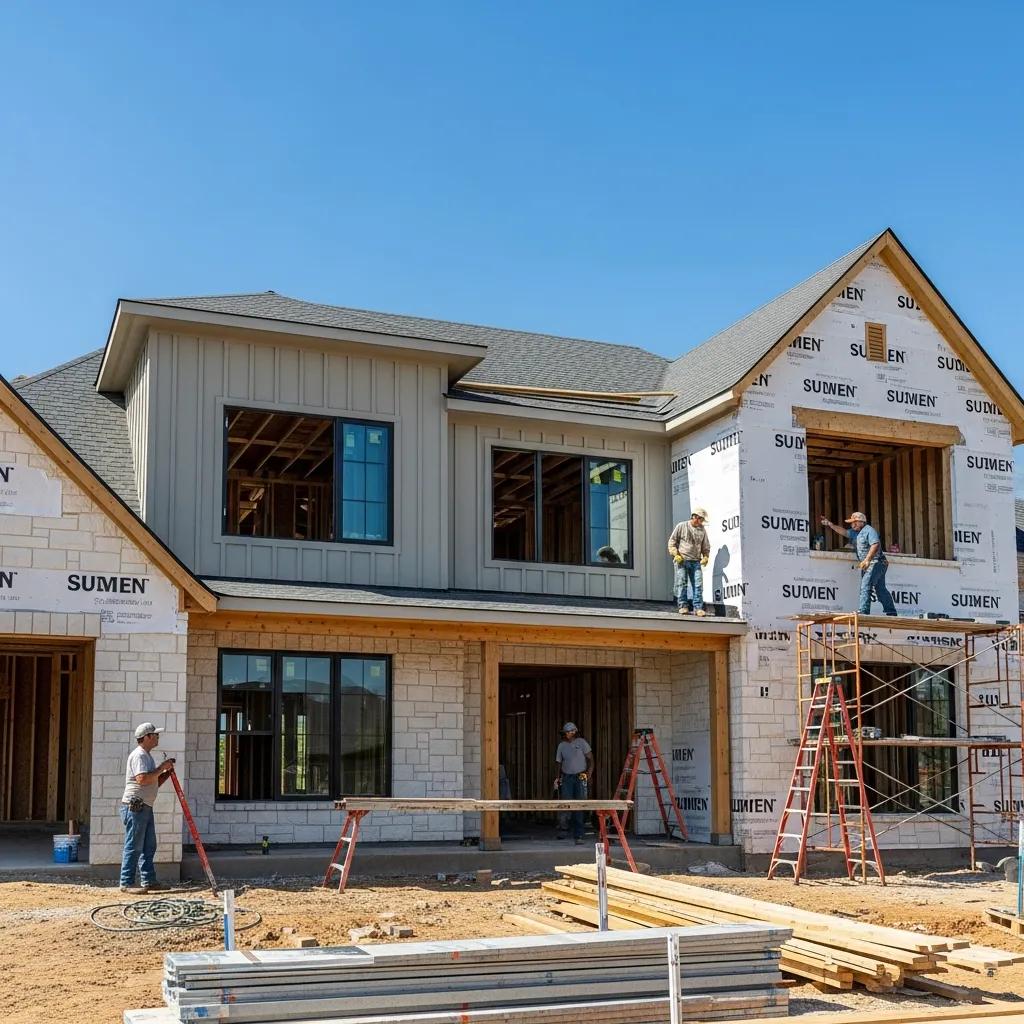
Building Your Dream Home: A Clear, Step‑by‑Step Guide for Oklahoma City
Building a new home is exciting — and it can feel overwhelming. This guide breaks the process down into practical steps tailored for homeowners in Oklahoma City. From early planning and permits to framing, systems, and the final finishes, we’ll highlight what to expect, common pitfalls, and smart ways to keep your project on track. Whether you’re starting a custom build or overseeing a contractor, this overview will help you move forward with confidence.
What Are the Key Phases in the New Home Construction Process?
New home construction follows predictable phases that keep a project organized and on schedule. Knowing these stages helps you plan budget, timing, and decisions. The main phases are planning and permitting, site preparation, framing and enclosure, mechanical/electrical/plumbing (MEP) work, and final finishes. Each step contributes to the home’s safety, durability, and long‑term value.
How Does Planning and Permitting Set the Foundation for Your Build?

Planning and permitting are where the project takes shape on paper. This phase covers submitting construction drawings, securing building and zoning permits, and meeting any environmental or municipal requirements. Missed paperwork or incomplete plans are common causes of delays, so start early and confirm requirements with local permitting offices. Clear plans up front save time and money down the road.
What Happens During Site Preparation and Foundation Laying?
Site preparation gets the lot ready for construction: clearing, grading, and staking the foundation footprint. Proper grading manages runoff and prevents water from pooling near the house. The foundation type — slab, crawl space, or basement — depends on design, budget, and site conditions. A well‑built foundation is nonnegotiable; it supports the entire structure and protects your investment for decades.
A solid foundation goes hand in hand with effective drainage — both are critical for avoiding water damage and long‑term issues.
Foundation Drainage Systems for New Home Flood Prevention
Building‑ and lot‑scale flood mitigation measures can noticeably reduce the risk of basement flooding. Practical steps include installing backwater valves to prevent sewer surcharges, applying low‑impact development practices to limit runoff entering municipal systems, and designing foundation drainage to control infiltration. Because each lot is unique, further research helps confirm how these measures perform across different site conditions.
Reducing the risk of basement flooding through building-and lot-scale flood mitigation approaches: performance of foundation drainage systems, B Kaur, 2021
How Do You Navigate Planning, Design, and Permits for Your Custom Home?
Navigating design and permits means balancing your vision with local rules and realistic budgeting. Start by defining priorities, then work with an architect or builder to turn ideas into permit‑ready plans. Good communication with your design team and the permitting office keeps reviews from dragging out and helps ensure the finished home matches your expectations.
What Should You Consider When Defining Your Vision and Budget?
Set clear priorities: list must‑have features separately from nice‑to‑haves, and build a contingency into your budget. Talk with builders and suppliers early to understand material and labor costs. Early decisions about layout, mechanical systems, and finishes shape both price and schedule, so make the big choices first and refine the details later.
How Do Oklahoma City Building Permits Impact Your Project Timeline?
Oklahoma City permit reviews usually take several weeks, depending on complexity. Incomplete submissions, code questions, or required plan revisions can extend that timeline. To move faster, submit complete documents, respond quickly to review comments, and maintain a direct line with the city’s permitting office. Experienced local builders often know how to avoid common permit pitfalls.
What Are the Essential Steps in Structural Framing and Exterior Enclosure?
Framing turns plans into a standing, weather‑tight structure. This stage includes wall and roof framing, sheathing, windows, and exterior weather barriers. A properly framed and enclosed home protects interior work from weather and sets the stage for efficient installation of systems and finishes.
How Is the Home’s Skeleton Framed and Secured?
Framing uses lumber or steel to form walls, floors, and the roof. Accurate layout and fastening ensure the home resists loads and settles predictably. Following accepted framing practices prevents issues like uneven floors or drafty walls. Quality framing is both structural and the starting point for a beautiful finished home.
Tight, accurate framing is the backbone of a lasting home — builders rely on proven techniques and careful layout to get it right.
Residential Framing Techniques for Structurally Sound Homes
Consistent, accurate framing information is essential for producing a structurally sound home. Clear guidance — from basic wall layout to roof and stair framing — helps both new and experienced builders deliver reliable results. Illustrated, step‑by‑step references reduce guesswork and improve build quality across every project.
Complete Book of Framing: An Illustrated Guide for Residential Construction, 2019
What Roofing and Exterior Sheathing Options Are Available?
Roofing choices include asphalt shingles, metal, and tile — each balances cost, lifespan, and appearance. For sheathing, plywood or OSB are common and provide the base for your weather barrier and siding. Pick materials that match your budget, climate needs, and desired maintenance level to get the best long‑term value in residential construction.
How Are Mechanical, Electrical, and Plumbing Systems Installed Efficiently?
MEP installation makes the home livable: plumbing, electrical, and HVAC systems are roughed in, tested, and finalized. Coordinated sequencing — so trades don’t block each other — keeps the schedule tight and reduces rework. Qualified installers and code‑compliant work are key to performance and safety.
What Is Involved in Rough-In Plumbing, Electrical, and HVAC Installation?
During rough‑in, contractors run pipes, wires, and ducts to their final locations before walls go up. This phase requires good coordination to ensure access for inspections and later finishes. Proper rough‑in work minimizes callbacks and makes later stages — insulation, drywall, trim — go smoothly.
How Does Insulation Improve Energy Efficiency in New Homes?
Insulation reduces heat transfer, stabilizes indoor temperatures, and lowers energy bills. Options like fiberglass, spray foam, and cellulose offer different R‑values and installation methods. Choosing the right R‑value for your climate, and air‑sealing gaps, delivers better comfort and long‑term savings.
What Are the Final Interior and Exterior Finishing Touches?

The finishing phase brings personality and comfort to the house. Interior work includes flooring, trim, cabinets, countertops, and paint. Outside, siding, trim, final grading, and landscaping shape curb appeal. This stage is where design choices become tangible — and where attention to detail makes a big difference in new build.
Which Interior Finishes Enhance Comfort and Style?
Popular interior finishes include hardwood or engineered flooring, durable countertops, and custom cabinetry. Choose materials that suit daily life — easy maintenance in busy areas, long‑lasting options where you want durability, and finishes that create the look you want throughout the home.
How Do Exterior Finishes and Landscaping Complete Your Home?
Siding, roofing color, and exterior trim set the home’s character, while landscaping frames the property and improves drainage and shade. Thoughtful exterior choices increase curb appeal and usability of outdoor spaces, helping the home look and function its best from day one.
Why Choose ACME Construction for Your New Home Build in Oklahoma City?
Choosing the right contractor makes the build less stressful and more predictable. ACME Construction is a locally focused general contractor serving Oklahoma City with both residential and commercial work. We combine hands‑on experience, a reliable in‑house team, and a commitment to clear communication — everything it takes to deliver a quality home on schedule.
What Expertise and Quality Workmanship Does ACME Provide?
Our team includes experienced tradespeople and project managers who handle everything from small renovations to full new builds. We offer concrete, drywall, masonry, metal work, and more — all managed to our quality standards. We stand behind our work and prioritize client satisfaction on every project.
How Does ACME Streamline the Home Building Process for Clients?
We simplify the build by coordinating permits, scheduling trades, and keeping you informed at every milestone. That means fewer surprises, better timelines, and a smoother path from design to move‑in. Transparent communication and proactive problem solving are how we keep projects on track.
| Phase | Description | Key Considerations |
|---|---|---|
| Planning and Permitting | Securing required permits and finalizing plans | Permit types, approval timeframes |
| Site Preparation | Clearing, grading, and pouring the foundation | Foundation type, drainage strategy |
| Framing and Enclosure | Building the structure and weather‑proofing | Material selection, structural best practices |
| MEP Installation | Rough‑in and finish of plumbing, electrical, HVAC | Code compliance, efficient sequencing |
| Finishing Touches | Interior finishes, exterior trim, landscaping | Design choices, long‑term maintenance |
Building a home is a major investment. By understanding each phase and working with a trusted contractor like ACME Construction, you can avoid common setbacks and bring your vision to life with fewer surprises.
Frequently Asked Questions
What are the common challenges faced during the home construction process?
Typical challenges include permit delays, unexpected site conditions, and budget shifts. Communication gaps or scope changes can also slow progress. To reduce risk, keep lines of communication open with your builder, plan a realistic schedule, and set aside contingency funds for surprises.
How can homeowners ensure quality during the construction process?
Regular site visits, clear expectations, and documented quality standards help maintain workmanship. Consider independent inspections at key stages and keep a photo log of progress. Good project management and timely decision‑making also prevent avoidable mistakes.
What financing options are available for building a new home?
Common options include construction loans that convert to a mortgage, traditional mortgages for finished homes, and home equity financing. Construction loans cover building costs during construction and typically convert after completion. Compare rates and terms and consult a lender to find the best fit for your residential construction.
How can homeowners choose the right materials for their new home?
Evaluate durability, cost, energy performance, and maintenance needs. Ask builders about long‑term costs and warranties, visit showrooms to see materials in person, and choose finishes that balance style with practicality for your household.
What role does landscaping play in the overall home construction process?
Landscaping enhances curb appeal, manages drainage, and creates usable outdoor spaces. Early planning prevents grading or irrigation conflicts later. Work with a landscape designer or your builder to match plant choices and hardscapes to the site and climate.
How can homeowners prepare for potential delays in the construction timeline?
Build schedule flexibility into your plan and include a contingency budget. Stay proactive with approvals, material selections, and decisions that could block progress. Understanding that weather, supply issues, or permitting can cause delays will help you plan realistic timelines.