
Trenchless Pipe Lining: Expert No-Dig Sewer Repair Solutions with Cured In Place Pipe Installation
Trenchless pipe lining is a revolutionary approach to sewer repair that minimizes the inconvenience of traditional excavation methods. This innovative technique utilizes Cured In Place Pipe (CIPP) installation, which allows for efficient restoration of damaged pipes without the need for extensive digging. In this article, readers will discover how trenchless technology operates, its benefits compared to traditional repair methods, and the various sewer issues it effectively addresses. With the increasing need for efficient, less disruptive solutions, trenchless pipe lining represents a significant advancement in sewer rehabilitation. We will explore its mechanisms, advantages, compatible pipe types, and the cost implications specific to the Oklahoma City market.
What Is Trenchless Pipe Lining and How Does No-Dig Sewer Repair Work?
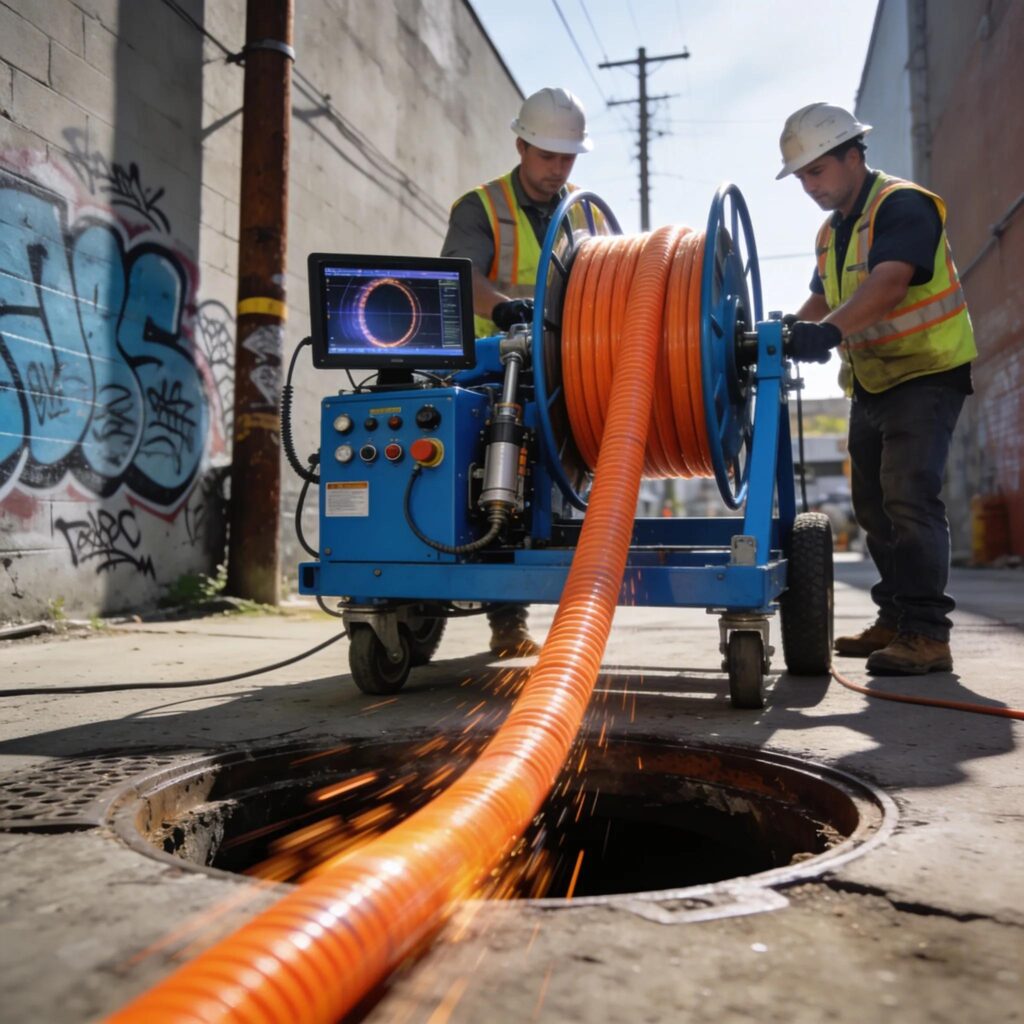
Trenchless pipe lining, also known as no-dig sewer repair, refers to a method of rehabilitating existing pipelines without the necessity of open excavation. This process utilizes advanced technology to insert a resin-saturated liner into the damaged pipeline, which then cures and hardens, forming a new pipe within the old one. The significant advantage of trenchless technology lies in its ability to restore pipe integrity without the disruptive digging required by traditional methods. This approach not only maintains the landscape but also reduces the overall repair time.
How Does CIPP Installation Restore Sewer Pipes Without Excavation?
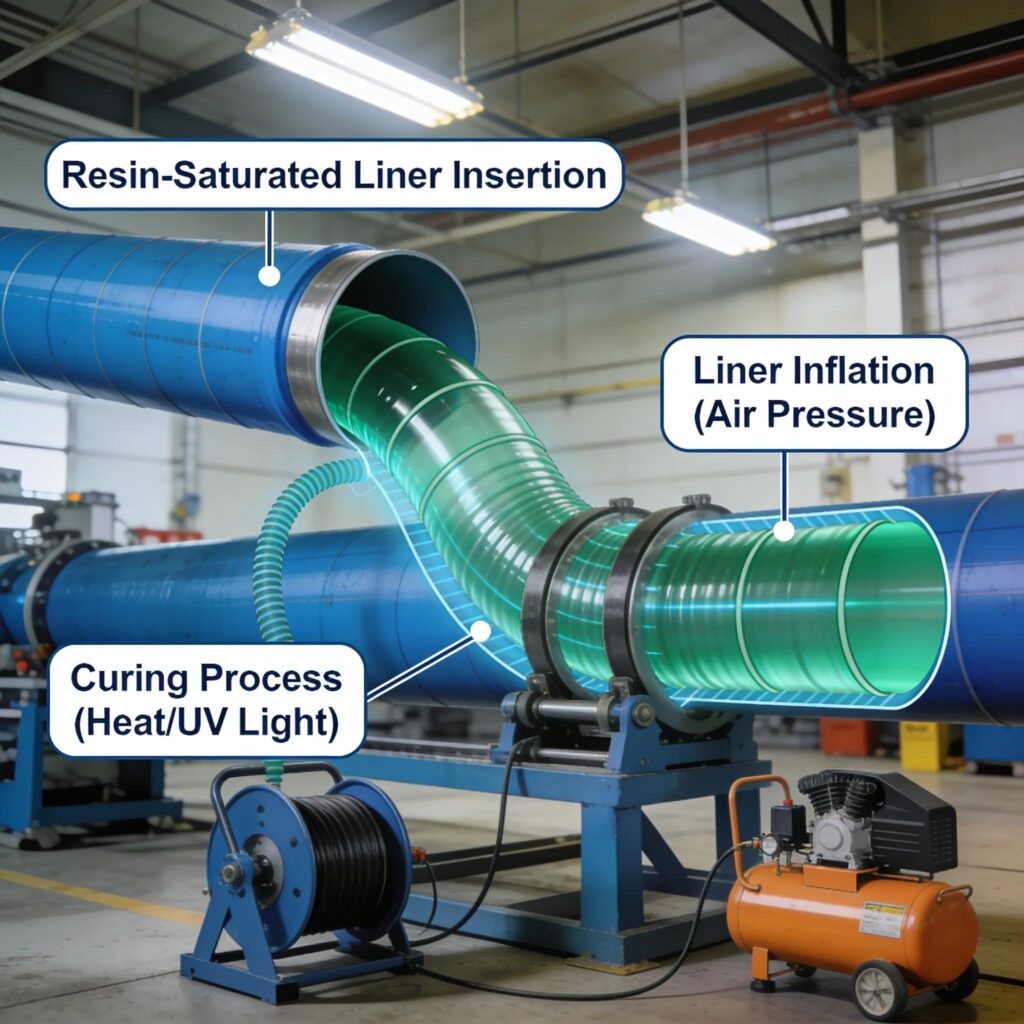
CIPP installation begins with a thorough inspection, often using advanced camera technology to assess the condition of the existing pipes. A flexible liner, impregnated with a thermosetting resin, is then inserted into the damaged section of the pipeline. After positioning, the liner is inflated, allowing the resin to make contact with the pipe wall. Following this, the resin is heated, causing it to cure and harden, effectively creating a new, durable pipe. This method can often be completed within a single day depending on the severity of the damage, significantly reducing the inconvenience for homeowners and businesses alike.
Which Sewer Pipe Rehabilitation Techniques Are Used in Trenchless Repairs?
In addition to CIPP, several other techniques related to trenchless repair are frequently employed in the industry. For instance, pipe bursting involves breaking apart the existing pipe while simultaneously installing a new, larger pipe in its place. This method is particularly effective for severely damaged sewer lines that cannot be saved through lining alone. Other methods include directional drilling, which allows for new lines to be installed along curved paths without disturbing the ground above, and chemical grouting, which seals leaks without the need for major excavation. Each technique has its unique benefits and applications based on the specific conditions of the pipeline in question.
What Are the Key Benefits of Trenchless Sewer Repair Compared to Traditional Methods?
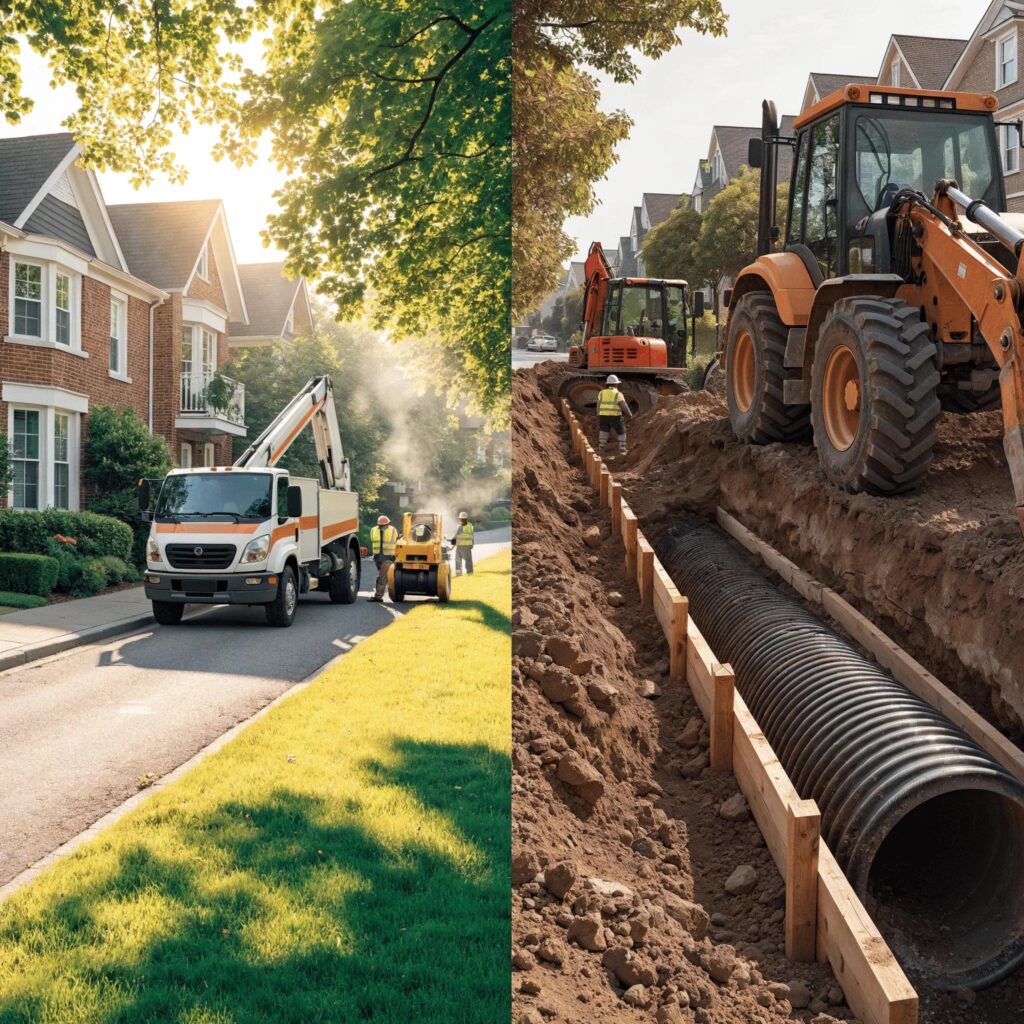
Trenchless sewer repair offers numerous advantages over traditional excavation techniques, making it an appealing choice for many property owners. The most notable benefits include reduced property disruption, significant cost savings, and faster repair times.
How Does Trenchless Technology Reduce Property Disruption and Repair Time?
As more homeowners seek efficient solutions to sewer issues, trenchless technology surfaces as a leader in minimizing property disruption. By avoiding extensive digging, trenchless methods preserve landscaping, driveways, and other structures above ground. Repairs can often be completed within a day, contrasting sharply with traditional methods that may take weeks. This rapid turnaround not only saves time but also enhances homeowner satisfaction.
Why Is Trenchless Repair More Environmentally Friendly and Cost-Efficient?
Trenchless technology’s eco-friendly nature stems from its minimal environmental impact. Traditional methods often involve significant land disturbance, leading to potential soil erosion and damage to surrounding ecology. In contrast, trenchless methods require less excavation, preserving the natural environment. Moreover, although the initial costs may be comparable, the overall expenditure tends to be lower with trenchless approaches due to reduced labor and restoration costs associated with large-scale excavation.
| Benefit | Description | Impact |
|---|---|---|
| Reduced Disruption | Minimal excavation preserves landscape | High |
| Fast Repair Times | Often completed in less than a day | High |
| Environmental Considerations | Less ground disturbance and waste | Medium |
Which Sewer Problems and Pipe Types Are Suitable for Trenchless Pipe Lining?
Trenchless pipe lining is versatile, effectively addressing a range of sewer problems. It is particularly suitable for issues such as root intrusion, cracks, and corrosion that compromise pipeline integrity.
Can Trenchless Repair Address Root Intrusion, Cracks, and Pipe Corrosion?
Root intrusion occurs when tree roots penetrate sewer lines, often leading to blockages and breaks. Trenchless methods can strategically repair these damages without the need for extensive digging. Additionally, CIPP technology is excellent for addressing cracks, as the hardened liner effectively seals structural deficiencies. Corroded pipes, often a concern in older systems, benefit from this method, as it reinforces existing structures, extending their service life significantly.
What Pipe Materials Are Compatible with CIPP and No-Dig Repair Methods?
CIPP is compatible with a variety of pipe materials, including older clay, concrete, and PVC pipes. This adaptability allows for extensive applications across different neighborhoods and infrastructures, ensuring that many property owners can benefit from trenchless technology. The ability to rejuvenate existing pipes without replacement not only minimizes costs but also promotes sustainability by utilizing the existing infrastructure.
How Does Trenchless Sewer Repair Cost Compare in Oklahoma City’s Local Market?
The cost of trenchless sewer repair plays a critical role in its adoption among homeowners in Oklahoma City. Understanding these pricing structures can help property owners make informed decisions regarding necessary repairs.
What Factors Influence the Cost of Cured-In-Place Pipe Installation in OKC?
Several factors influence the pricing of CIPP installation, including the extent of the damage, the length of the pipeline requiring repair, and the logistics involved in the project. For instance, difficult access conditions may increase labor costs, while deeper lines or significant corrosion can complicate the rehabilitation process, potentially leading to higher expenses.
Is Trenchless Sewer Repair Cost-Effective Compared to Open Trench Replacement?
Trenchless methods often present a cost-effective alternative to traditional open trench replacement. While the upfront costs of trenchless technology may be slightly higher, the overall savings from minimal restoration efforts, reduced labor, and quicker completion times typically result in lower total expenditure. Additionally, trenchless solutions extend the life of existing pipes, offering long-term economic benefits for homeowners.
What Expert Diagnostic and Installation Processes Ensure Reliable Trenchless Sewer Repairs?
To achieve optimal trenchless sewer repairs, several diagnostic processes and specialized equipment are employed. Expert assessment ensures every step of the procedure adheres to industry standards.
How Does Camera Inspection Assist Accurate Sewer Condition Assessment?
Camera technology plays a pivotal role in accurately assessing the condition of sewer lines before repair work begins. By using high-definition video equipment, professionals can identify the extent of damages, such as cracks or collapses, and determine the most appropriate repair method. This technology allows for precise diagnostics without needing to dig up the entire system, minimizing disruption for homeowners.
What Specialized Equipment and Licensed Expertise Guarantee Quality Installation?
The installation of trenchless systems requires specialized equipment, including inversion machines for CIPP installation and vacuum trucks for pipe cleaning. Additionally, technicians must possess specific training and licensing to ensure high-quality installation and compliance with safety regulations. Such expertise guarantees that the repairs will be durable and effective over time, safeguarding the investment made by property owners.
What Are Common Questions About Trenchless Pipe Lining and No-Dig Sewer Repair?
As awareness regarding trenchless technology grows, so do the inquiries surrounding its effectiveness and long-term implications on sewer systems. Addressing these questions can help clarify the benefits and concerns associated with this system.
How Long Does CIPP Pipe Lining Last and What Maintenance Is Required?
CIPP pipe lining can last anywhere from 50 to 100 years, depending on environmental conditions and the initial quality of installation. Regular maintenance is minimal and typically involves periodic inspections to ensure the integrity of the new lining. Homeowners can expect to inspect their lines every few years, providing peace of mind regarding their investment.
Are There Any Limitations or Risks Associated with Trenchless Sewer Repair?
While trenchless sewer repair is generally effective, there are limitations to consider. For example, severely collapsed pipes may not be salvageable through lining alone, necessitating alternative methods such as pipe bursting. Additionally, the installation of a liner may not be suitable for all pipe diameters or configurations. Homeowners should consult with professionals to determine the best course of action for their specific circumstances.